Daily horoscope predictions are a popular way for people to start the day with reflection, curiosity, and a sense of direction. Whether someone checks their zodiac forecast for love, work, health, or finances, these short astrological insights often serve as a guide for decision-making and self-awareness. For many readers, they are not only entertaining but also meaningful prompts that inspire mindfulness and perspective.
Table of Contents
- How Daily Horoscope Predictions Work
- Why Daily Horoscope Predictions Remain So Popular
- How to Read Daily Horoscope Predictions Wisely
- Benefits of Following Daily Horoscope Predictions
- Choosing Reliable Sources for Daily Horoscope Predictions
- FAQ About Daily Horoscope Predictions
- Are daily horoscopes accurate for everyone?
- Should I read my sun sign, moon sign, or rising sign?
- Can horoscopes help with decision-making?
- Why do some horoscopes feel very accurate?
- How often should I check my horoscope?
- Conclusion
In today’s digital world, astrology content is more accessible than ever. From mobile apps to online publications, millions turn to celestial guidance every morning. Yet not everyone understands how these forecasts are created, how to interpret them, or how to use them wisely. This article explores it in depth, including how they work, why they remain so popular, and how to read them in a balanced and practical way.
How Daily Horoscope Predictions Work
Daily horoscope predictions are typically based on the positions of the sun, moon, planets, and other astrological points at a specific moment in time. Astrologers analyze planetary movements and compare them to zodiac signs to create short forecasts that describe possible emotional trends, opportunities, or challenges for the day.
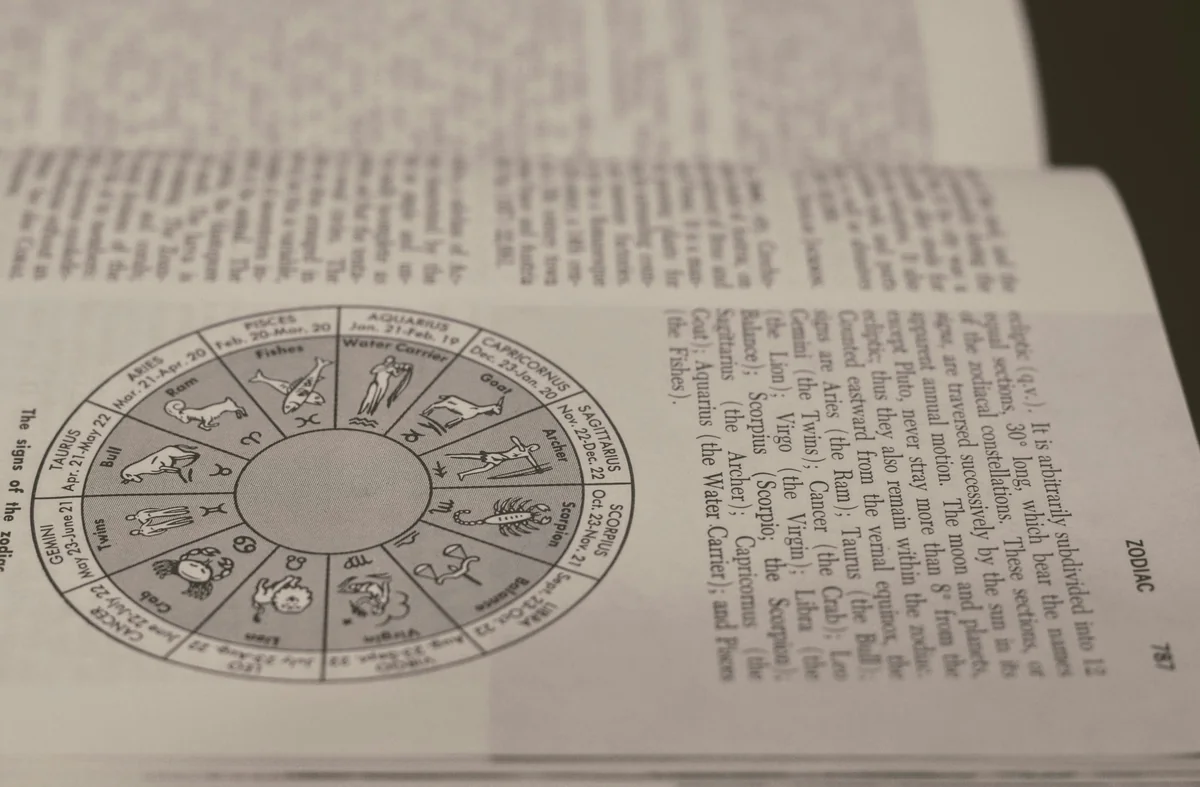
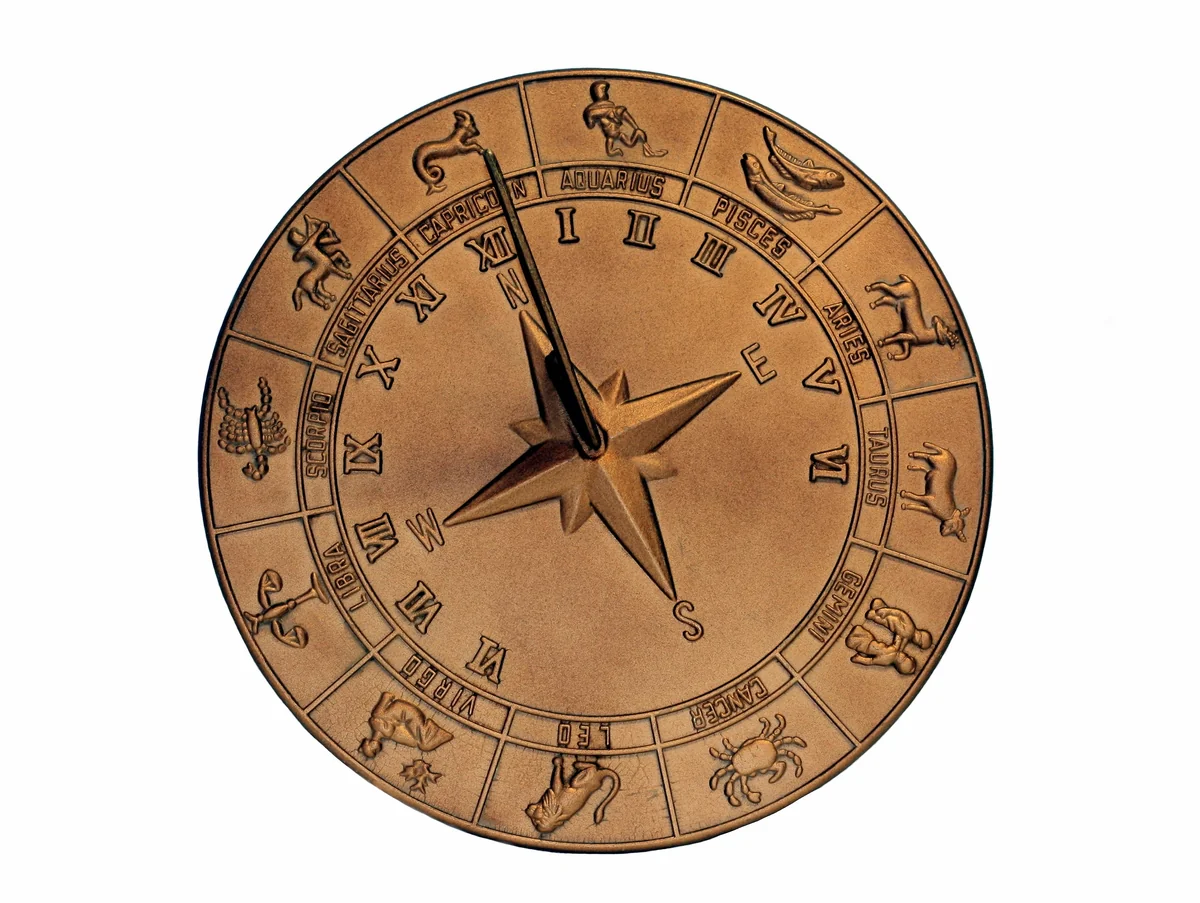
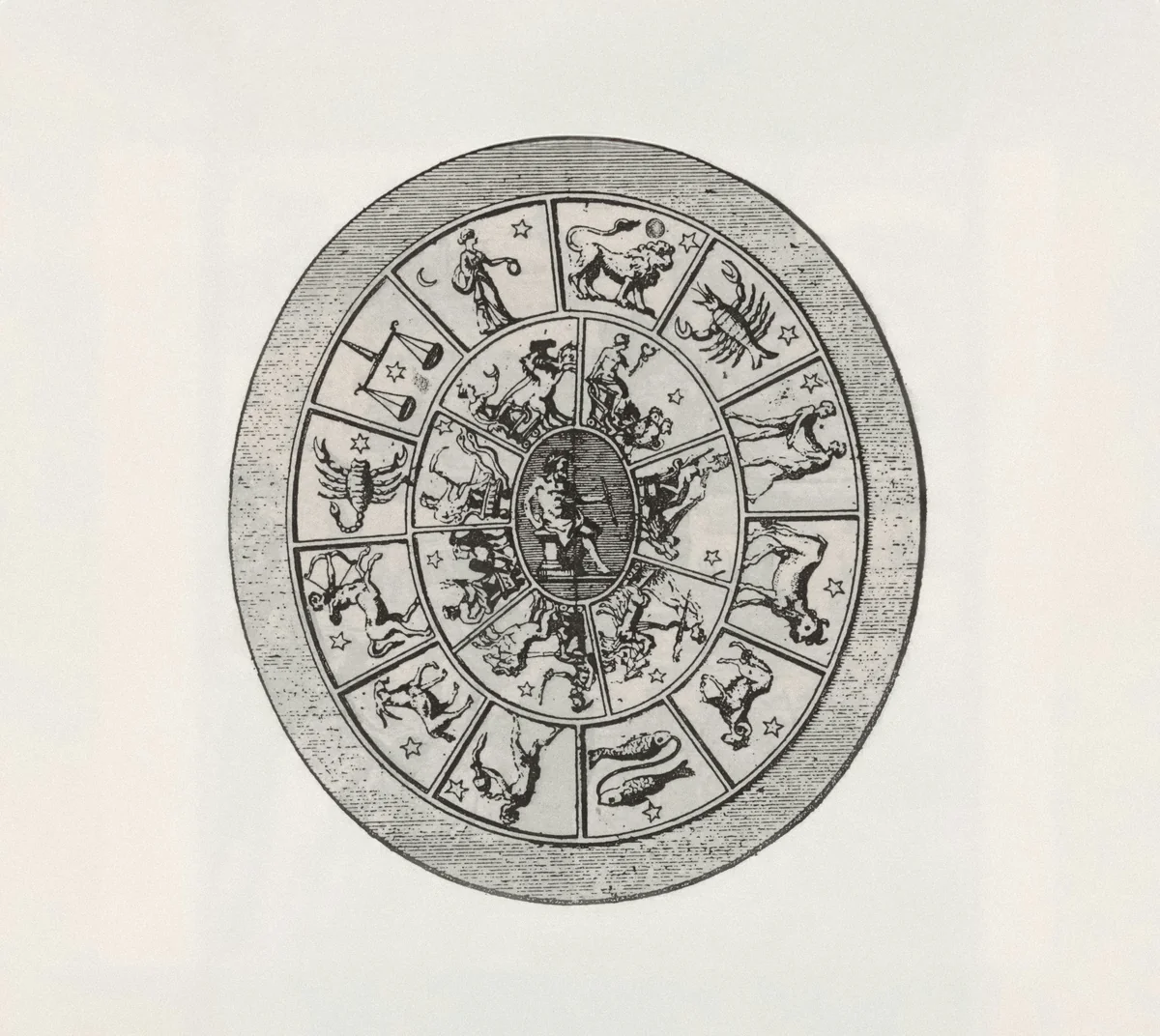
At the core of astrology are the twelve zodiac signs: Aries, Taurus, Gemini, Cancer, Leo, Virgo, Libra, Scorpio, Sagittarius, Capricorn, Aquarius, and Pisces. Each sign is associated with certain personality traits, ruling planets, and elemental energies. When astrologers prepare this, they usually assess how current transits may influence each sign’s general energy.
For example, a Mercury transit might suggest better communication for one sign while creating misunderstandings for another. A Venus aspect may highlight romance, beauty, or relationships. Mars can signal motivation, conflict, or bold action. These symbolic interpretations are then distilled into concise guidance for readers.
It is important to note that many daily forecasts are written for sun signs, which are based on a person’s birth date. However, a more personalized astrological reading would consider a complete natal chart, including moon sign, rising sign, and planetary placements. Even so, sun sign horoscopes remain the most widely consumed format because they are simple, quick, and easy to understand.
The appeal of these also lies in their flexibility. Some people see them as spiritual guidance, while others enjoy them as an introspective ritual. Rather than viewing them as fixed declarations of destiny, many readers use them as gentle prompts to think about their day with more awareness.
Why Daily Horoscope Predictions Remain So Popular
The lasting popularity of they comes from a blend of tradition, psychology, entertainment, and personal meaning. Astrology has existed for centuries in many cultures, and its modern form continues to evolve with changing technology and reader habits. Despite shifts in media, zodiac forecasts remain deeply embedded in everyday life.
One key reason people enjoy these forecasts is accessibility. A reader does not need expert knowledge to understand a horoscope. A short message about relationships, career, or mood can be read in seconds and still feel relevant. In a busy world, that convenience matters. People want fast insights that fit easily into a morning routine.
Another reason is emotional resonance. Daily horoscope predictions often reflect common human experiences: uncertainty, hope, ambition, love, stress, and change. Because the themes are universal, readers may find comfort in seeing their thoughts or feelings mirrored in a forecast. This can create a sense of reassurance and connection.
Social media has also boosted astrology’s reach. Horoscope posts are widely shared, discussed, and compared among friends. People enjoy checking whether a prediction “fits” their current situation, and that engagement keeps astrology content visible online. Apps and websites have made it even easier to receive customized alerts and sign-specific updates throughout the day.
There is also a self-reflection aspect that makes horoscope reading appealing. A forecast suggesting patience, confidence, or caution can encourage someone to pause and think before reacting. Even if a reader does not fully believe in astrology, the advice can still function as a mindset tool. In this way, astrology often overlaps with wellness and personal development content.
Finally, the concept endure because they offer a narrative framework. Humans naturally look for patterns and meaning. Horoscope readings provide a story about the energy of the day, making life feel a little more understandable. That blend of mystery and structure helps explain why astrology continues to attract loyal audiences across generations.
How to Read Daily Horoscope Predictions Wisely
Although many people enjoy astrology, it is helpful to approach the approach with balance and critical thinking. The best way to use them is as guidance rather than absolute truth. A horoscope can suggest themes to consider, but personal choices, effort, and circumstances still shape real outcomes.
First, understand the general nature of sign-based forecasts. Since they are written for millions of people born under the same sun sign, they are broad by design. That does not make them useless, but it does mean they should not replace thoughtful judgment. If a forecast mentions career opportunity, for instance, it may simply encourage openness to possibilities rather than guarantee a specific event.
Second, compare your sun sign reading with your moon and rising sign if you know them. Many astrology enthusiasts find this gives a fuller picture. Sun sign forecasts often reflect identity and outer life themes, while moon sign interpretations can speak more to emotions and inner experience. Rising sign forecasts may feel accurate regarding how the day unfolds externally.
Third, use it as prompts for reflection. If your reading advises patience, ask yourself where impatience may be affecting your life. If it highlights communication, think about who you need to speak with honestly. This method turns astrology into an active tool for awareness rather than passive prediction.
It is also wise to avoid making major life decisions based solely on a horoscope. Important choices about finances, health, relationships, or legal matters deserve evidence, planning, and professional advice where necessary. Astrology may add perspective, but it should not replace practical reasoning.
Another useful habit is keeping a horoscope journal. Write down your sign’s forecast and note whether any themes appeared during the day. Over time, this can help you see which styles of astrology content resonate most with you. Some readers discover they connect more with emotional guidance, while others prefer forecasts about productivity or relationships.
By reading this thoughtfully, you can enjoy the inspiration they offer without giving away your own agency. Astrology works best when it supports self-understanding and intentional living.
Benefits of Following Daily Horoscope Predictions
For many readers, these provide more than simple entertainment. When used mindfully, they can offer real benefits related to routine, self-awareness, emotional grounding, and motivation. Their value often depends on how a person interprets and applies them.
One major benefit is structure. Starting the day with a horoscope can become a calming ritual. In the same way people practice journaling, meditation, or reading affirmations, checking a zodiac forecast can create a moment of pause before the day begins. That small ritual may help center attention and set an intention.
Another advantage is perspective. A horoscope may remind readers to focus on communication, patience, relationships, ambition, or rest. Even if the prediction is general, it can gently redirect awareness toward areas of life that need more attention. This creates space for reflection that might otherwise be lost in a hectic schedule.
Daily horoscope predictions can also support emotional validation. On difficult days, reading that cosmic energy is tense or introspective may help someone feel less isolated in their stress. On uplifting days, a forecast that highlights confidence or opportunity can reinforce optimism. The symbolic language of astrology often makes feelings easier to process.
For people interested in spirituality, horoscopes can strengthen a sense of connection to something larger. The movement of celestial bodies becomes a symbolic reminder that life changes in cycles. This perspective can be comforting during uncertain periods, especially when a person is trying to make sense of transitions.
There is also a motivational element. A forecast that suggests momentum in career matters or clarity in love may encourage positive action. Someone might finally send an email, have a difficult conversation, or prioritize self-care because their horoscope nudged them in that direction.
That said, the benefits are greatest when they are treated as supportive tools rather than fixed promises. They are most useful when readers remain open, reflective, and practical. In that balanced role, horoscope reading can become a meaningful part of daily life.
Choosing Reliable Sources for Daily Horoscope Predictions
Not all astrology content is created with the same level of care, so choosing trustworthy sources for the concept matters. With countless websites, apps, influencers, and publications offering zodiac guidance, readers benefit from knowing what separates thoughtful astrology from shallow clickbait.
A reliable source usually provides clear, well-written interpretations grounded in actual astrological transits rather than generic statements. Serious astrologers often explain the planetary aspects behind a forecast, even briefly. This transparency helps readers understand that the guidance comes from a system of symbolic analysis, not random phrases.
Consistency is another sign of quality. Good horoscope writers maintain a recognizable voice and approach. Their forecasts may be concise, but they tend to reflect real astrological themes over time. If every prediction sounds overly dramatic, guaranteed, or fear-based, that is often a warning sign.
Readers should also look for balanced language. Trustworthy the approach usually acknowledge possibilities rather than certainties. Phrases such as “you may notice,” “this is a good time,” or “be mindful of” encourage reflection without claiming total authority over events. Responsible astrology invites interpretation instead of manipulation.
It can also help to explore whether the source offers chart-based content beyond sun sign horoscopes. While daily forecasts for zodiac signs are useful, platforms that also discuss moon phases, retrogrades, natal charts, and compatibility often demonstrate deeper astrological knowledge. That broader context can improve the quality of the predictions.
User experience matters too. A well-designed site or app with organized categories, accurate sign labels, and regular updates is easier to trust than one filled with intrusive ads and vague copy. Reviews and reputation can offer additional clues, especially if long-time readers report that the forecasts feel insightful and consistent.
Ultimately, the best source for it is one that feels thoughtful, empowering, and grounded. Readers should come away feeling informed and reflective, not anxious or pressured. A good horoscope leaves room for personal choice while still offering meaningful insight.
FAQ About Daily Horoscope Predictions
Are daily horoscopes accurate for everyone?
Daily horoscope predictions are usually written for sun signs, so they are general rather than fully personalized. Many people find them meaningful, but accuracy can vary depending on individual birth charts, current life circumstances, and how the forecast is interpreted.
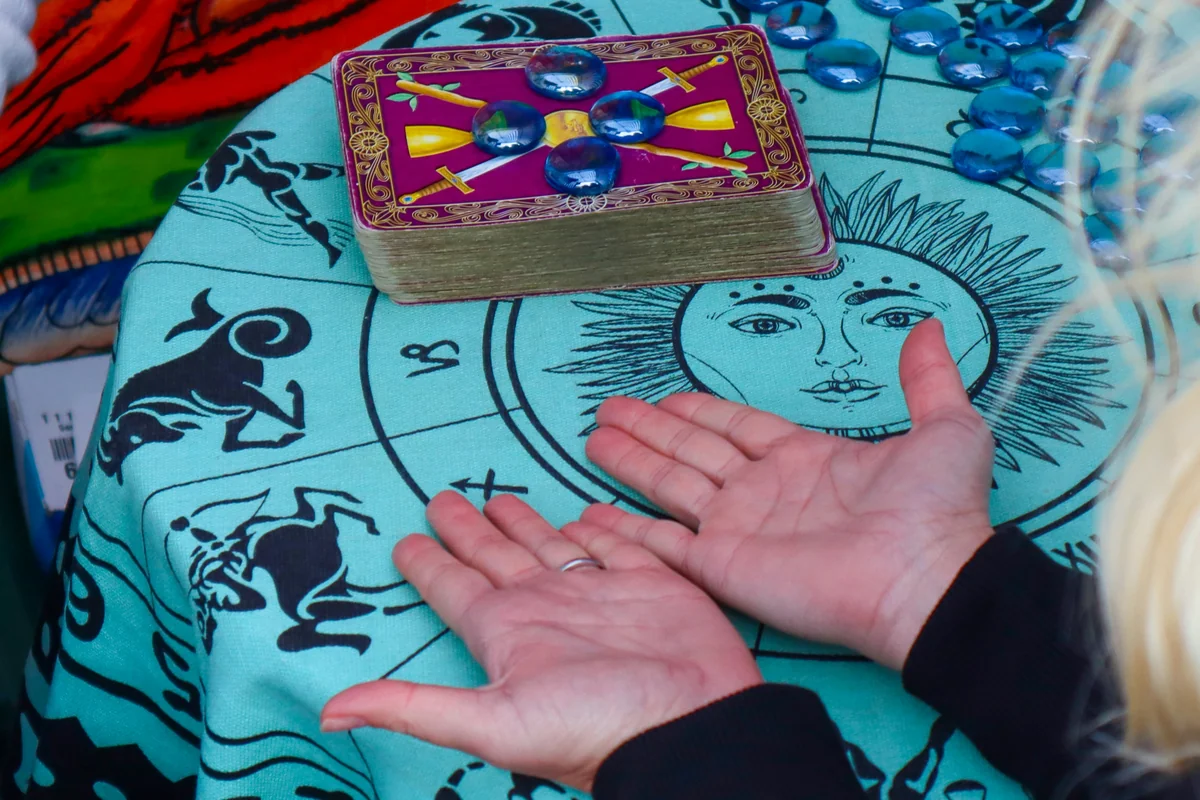
Should I read my sun sign, moon sign, or rising sign?
A sun sign is the most common place to start, but many astrology followers also check moon and rising signs. Daily horoscope predictions may feel more insightful when compared across these placements because each one reflects a different part of your personality and experience.
Can horoscopes help with decision-making?
They can offer perspective, but they should not be the only basis for major decisions. Daily horoscope predictions work best as reflective guidance that complements logic, planning, and professional advice when needed.
Why do some horoscopes feel very accurate?
Astrology often speaks to broad emotional and life themes that many people experience. Daily horoscope predictions may feel accurate because they encourage self-reflection and connect with situations already present in your life.
How often should I check my horoscope?
Most people read them once a day, often in the morning. Daily horoscope predictions are most helpful when used as a brief reflective practice rather than something checked obsessively throughout the day.
Conclusion
Daily horoscope predictions continue to attract readers because they combine symbolism, routine, reflection, and hope in a format that is easy to access and enjoyable to read. They can offer gentle guidance on relationships, work, emotions, and personal growth while encouraging people to pause and think more intentionally about the day ahead.
When approached with balance, astrology becomes a useful companion rather than a rigid rulebook. The best way to use daily horoscope predictions is to treat them as prompts for awareness, not as fixed outcomes. By choosing reliable sources, understanding their general nature, and applying them thoughtfully, readers can turn a simple daily habit into a meaningful tool for insight and self-discovery.