


Spiritual growth can feel subtle, sudden, comforting, or completely unsettling. Many people begin searching for explanations after noticing inner shifts they cannot easily describe. They may feel more sensitive, more reflective, less attached to old habits, or deeply drawn toward purpose and truth. These changes are often discussed as it, a phrase that captures the emotional, mental, and energetic transformations people report during periods of deep inner change.
Table of Contents
- Common Spiritual awakening signs in daily life
- Emotional and mental Spiritual awakening signs to recognize
- Physical and energetic Spiritual awakening signs explained
- How to respond to Spiritual awakening signs in a healthy way
- FAQ about Spiritual awakening signs
- What are the first Spiritual awakening signs?
- Are Spiritual awakening signs always positive?
- How long do Spiritual awakening signs last?
- Can Spiritual awakening signs affect relationships?
- Should I see a professional if Spiritual awakening signs feel overwhelming?
- Conclusion
While every path is personal, certain patterns appear again and again. Some signs feel uplifting, while others can be confusing or even disruptive before clarity arrives. Understanding these experiences can help you respond with patience instead of fear. In this guide, we will explore common this, what they may mean, and how to navigate them in a grounded, healthy way.
Common Spiritual awakening signs in daily life
One of the first things people notice is that ordinary life starts to feel different. Daily routines may remain the same on the outside, yet your inner experience shifts dramatically. These early these often show up quietly before becoming impossible to ignore.
A common sign is heightened self-awareness. You begin noticing your thoughts, emotional reactions, habits, and patterns more clearly. Instead of moving automatically through life, you start questioning why you do what you do. This deeper observation can lead to meaningful personal growth.
Another of the most reported they is emotional sensitivity. You may feel more affected by environments, conversations, music, or the suffering of others. Crowded or chaotic spaces can feel draining, while quiet places bring relief. This does not necessarily mean something is wrong; it may reflect a stronger connection to your inner world.
Many people also experience a strong desire for authenticity. You may lose interest in pretending, pleasing others, or following paths that no longer feel aligned. Relationships, jobs, and goals that once made sense can suddenly feel empty. This can be uncomfortable, but it often marks the beginning of a more honest life.
Changes in intuition are also common. You may trust your inner voice more, sense the energy of situations quickly, or have strong gut feelings that later prove accurate. For some, this appears as a deeper ability to read people and circumstances beyond surface appearances.
Sleep patterns can shift as well. Some people wake during the night, have vivid dreams, or feel mentally active during unusual hours. Others feel exhausted as if their whole system is adjusting. Physical and emotional rest become especially important during this phase.
A final daily-life pattern involves changing priorities. Material success, status, or external approval may lose their grip, while peace, meaning, compassion, and freedom become more important. These the concept often create a turning point where external achievement no longer feels like the main goal.
Emotional and mental Spiritual awakening signs to recognize

The emotional side of awakening can be intense. In fact, some of the strongest the approach involve the mind and heart rather than mystical experiences. People often expect awakening to feel peaceful all the time, but the reality can be far more layered.
One major sign is emotional release. Old grief, fear, anger, or shame may rise to the surface, sometimes without an obvious trigger. This can feel overwhelming, yet it often reflects unresolved feelings asking to be seen and processed. Instead of spiritual failure, this may actually be progress.
Another frequent experience is questioning long-held beliefs. You may rethink ideas about success, religion, identity, relationships, or even reality itself. This period of questioning can feel unstable, but it creates room for a more conscious worldview. Among it, this one is especially important because it reshapes how you understand your life.
Mental restlessness can also appear. Some people feel torn between their old identity and an emerging new self. They may wonder who they are becoming or why familiar things no longer satisfy them. This in-between stage can create confusion, but it is often part of transformation.
A deep longing for meaning is another notable sign. You may feel called to understand your purpose, connect with something greater, or live in a way that reflects your deepest values. Even if you cannot yet define that purpose, the desire itself can be powerful.
In addition, many people report periods of solitude. You may naturally pull back from noise, drama, or shallow interactions. This does not always mean isolation in a negative sense. It can be a healthy pause that gives you space to hear yourself more clearly.
Some this also resemble burnout, anxiety, or emotional overload, which is why discernment matters. Inner growth can be real, but mental health support is still valuable when distress becomes severe. Awakening should not be used to ignore trauma, depression, or the need for professional care. A grounded path makes room for both spiritual exploration and practical support.
Physical and energetic Spiritual awakening signs explained

Not all awakening experiences stay in the realm of thought and emotion. For many, these also feel physical or energetic. These sensations can be surprising, especially if you have never connected spirituality with the body.
You might notice waves of energy in the body, sudden warmth, tingling sensations, or pressure in certain areas such as the chest, forehead, or spine. Others describe feeling lighter, more open, or unusually aware of tension they had previously ignored. While these experiences are often discussed spiritually, persistent physical symptoms should always be checked by a medical professional.
Fatigue is another common report. Inner change can be demanding, and your nervous system may need extra rest. During awakening, the body often reflects what the mind and emotions are processing. This is why hydration, sleep, movement, and nourishment matter so much.
Heightened sensitivity to food, noise, technology, or people’s moods can also emerge. You may discover that some environments leave you depleted while nature helps you recover quickly. These they can encourage more intentional living and stronger personal boundaries.
Some people become more aware of breathing, posture, and the connection between stress and bodily tension. Meditation, mindfulness, or gentle practices such as yoga may suddenly feel less like hobbies and more like necessities. The body starts communicating in clearer ways.
Dream activity may intensify too. Vivid dreams, symbolic themes, or emotionally charged sleep experiences are often mentioned during periods of spiritual change. While dream interpretation is personal, recurring patterns can reveal what your subconscious is working through.
It is helpful to stay balanced here. Not every body sensation has spiritual meaning, and not every challenge is an awakening symptom. The wisest approach is both open-minded and practical. If certain the concept seem meaningful, explore them with curiosity, but stay rooted in common sense and self-care.
How to respond to Spiritual awakening signs in a healthy way
Recognizing change is only the beginning. Learning how to respond to the approach can make the process more stable, clear, and beneficial. Without grounding, even meaningful transformation can feel chaotic.
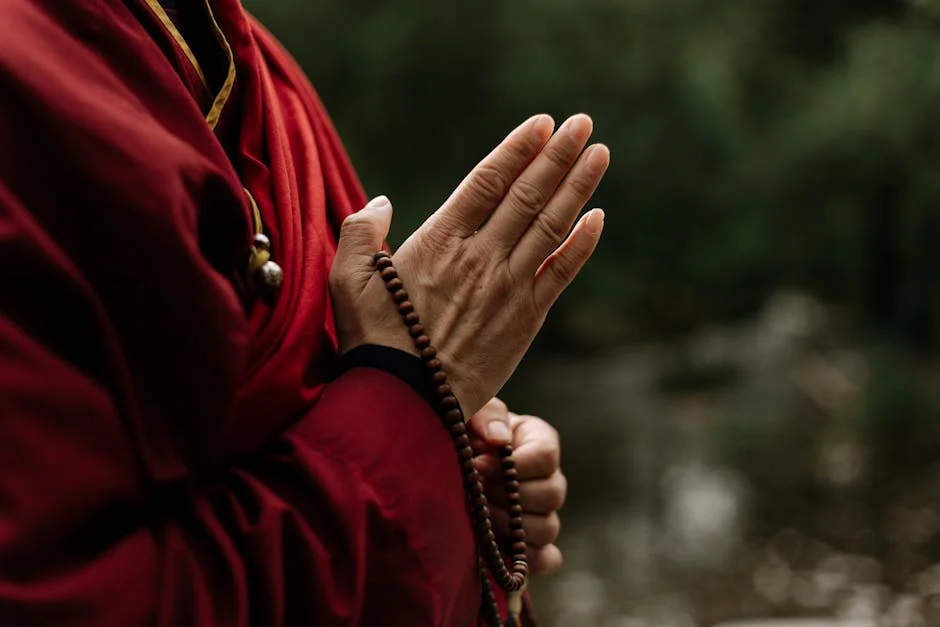
First, slow down and observe. You do not need to label every feeling immediately. Journaling can help you track emotional patterns, dreams, insights, and life changes over time. Often, clarity appears gradually rather than all at once.
Second, create space for quiet. Meditation, prayer, breathwork, or simple time alone can help you listen beneath mental noise. If your life is constantly overstimulated, it becomes harder to understand what these changes are asking of you. Regular stillness allows the process to unfold more gently.
Third, protect your energy and attention. One of the practical responses to it is reassessing where your time goes. You may need firmer boundaries with draining people, addictive habits, or constant digital input. Awakening often invites simplification.
Fourth, stay connected to the body. Grounding activities such as walking in nature, stretching, mindful eating, and adequate sleep can prevent spiritual exploration from becoming disconnected or overwhelming. A healthy spiritual path is not about escaping the body; it includes caring for it.
It also helps to seek wise support. This might be a therapist, spiritual mentor, trusted friend, or supportive community that respects both intuition and reality. Avoid people who pressure you into dramatic interpretations or make you feel dependent on them for answers.
Finally, be patient with yourself. this do not always lead to instant peace. Sometimes growth begins with discomfort because you are shedding what no longer fits. Trust the process, but let it unfold naturally. Real transformation usually looks less like a sudden perfect breakthrough and more like steady inner honesty over time.
FAQ about Spiritual awakening signs
What are the first Spiritual awakening signs?

The first Spiritual awakening signs often include increased self-awareness, emotional sensitivity, stronger intuition, vivid dreams, and a growing sense that your old way of living no longer fits. Many people also feel drawn to solitude, reflection, and deeper meaning.
Are Spiritual awakening signs always positive?
No. Spiritual awakening signs can feel inspiring, but they can also be confusing or emotionally intense. You may question your identity, release old pain, or feel disconnected from familiar routines before finding greater clarity and peace.
How long do Spiritual awakening signs last?
There is no fixed timeline for Spiritual awakening signs. For some people, they come in short periods of change. For others, awakening unfolds in stages over months or years. The pace often depends on life circumstances, emotional readiness, and how much support and grounding you have.
Can Spiritual awakening signs affect relationships?
Yes. Spiritual awakening signs often change what you value, tolerate, and seek in connection. Some relationships deepen through honesty and growth, while others fade if they are based on roles or patterns that no longer feel true to you.
Should I see a professional if Spiritual awakening signs feel overwhelming?
Absolutely. If Spiritual awakening signs come with severe anxiety, depression, trauma responses, or disruptive physical symptoms, support from a licensed professional is important. Spiritual insight and professional care can work together in a healthy way.
Conclusion
Experiencing inner transformation can be beautiful, disorienting, and deeply personal at the same time. The most important thing to remember is that Spiritual awakening signs do not have to look dramatic to be real. They often begin as subtle changes in awareness, emotion, intuition, relationships, and priorities. Over time, these shifts can guide you toward a more authentic and meaningful life.
As you notice Spiritual awakening signs, try to meet them with curiosity, balance, and compassion. Stay open to insight, but also stay grounded in self-care, discernment, and support. Awakening is not about becoming someone else. More often, it is the process of returning to who you truly are.