


Balanced meals are the foundation of steady energy, better focus, improved digestion, and long-term health. Instead of following restrictive food trends, many people benefit more from learning how to build a plate that includes the right mix of nutrients. From breakfast to dinner, the goal is not perfection but consistency. When you understand how protein, fiber, healthy fats, and carbohydrates work together, making smarter food choices becomes much easier. This guide explains what this are, why they matter, how to create them at home, and how to adapt them for work, family life, and busy schedules. Whether you want better wellness, weight management, or simply more satisfying food, it can help you eat in a way that feels practical, flexible, and enjoyable.
Table of Contents
- What balanced meals mean and why they matter
- The key components of balanced meals
- 1. Protein
- 2. Carbohydrates
- 3. Healthy fats
- 4. Vegetables and fruit
- 5. Hydration and extras
- How to build balanced meals for breakfast, lunch, and dinner
- Breakfast ideas
- Lunch ideas
- Dinner ideas
- Snack support
- Meal planning tips for balanced meals on a busy schedule
- Start with a weekly plan
- Batch cook basics
- Use simple formulas
- Keep convenient staples on hand
- Make room for flexibility
- Common mistakes to avoid when creating balanced meals
- 1. Eating too little protein
- 2. Avoiding carbs completely
- 3. Forgetting vegetables
- 4. Overrelying on processed “health” foods
- 5. Ignoring portions of high-calorie extras
- 6. Skipping meals and overeating later
- 7. Making it too complicated
- FAQ about balanced meals
- What are balanced meals exactly?
- Can balanced meals help with weight management?
- Are balanced meals expensive to make?
- How do I make balanced meals if I am vegetarian?
- Can I eat balanced meals when dining out?
- Conclusion
What balanced meals mean and why they matter
At the most basic level, these include a thoughtful mix of macronutrients and micronutrients that support the body throughout the day. Rather than focusing on one nutrient alone, a well-built meal combines lean protein, quality carbohydrates, healthy fats, and a variety of vegetables or fruits. This combination helps stabilize blood sugar, improve satiety, and provide sustained fuel.
Protein supports muscle repair, immune function, and fullness. Carbohydrates provide readily available energy, especially when they come from whole grains, legumes, fruits, and starchy vegetables. Healthy fats support hormone health, brain function, and nutrient absorption. Vitamins, minerals, antioxidants, and fiber from produce complete the picture.
One reason people struggle with food choices is that modern eating habits often lean too heavily on convenience foods that are high in refined carbs, sugar, sodium, and unhealthy fats. These may be quick, but they often leave people hungry again soon after eating. In contrast, they are more satisfying because they slow digestion and help reduce energy crashes.
They also make healthy eating less confusing. You do not need a perfect diet, expensive superfoods, or complicated recipes. A grilled chicken bowl with brown rice, roasted vegetables, and avocado works. So does lentil soup with whole-grain toast and a side salad. A salmon plate with quinoa and steamed broccoli also fits the model. The idea is simple: include multiple nutrient sources on one plate.
For many people, this approach also supports healthy weight management. Meals that include protein and fiber tend to be more filling than highly processed foods. That means fewer cravings, less mindless snacking, and better portion awareness. At the same time, this eating style can support heart health, digestive health, and better metabolic function.
The key components of balanced meals
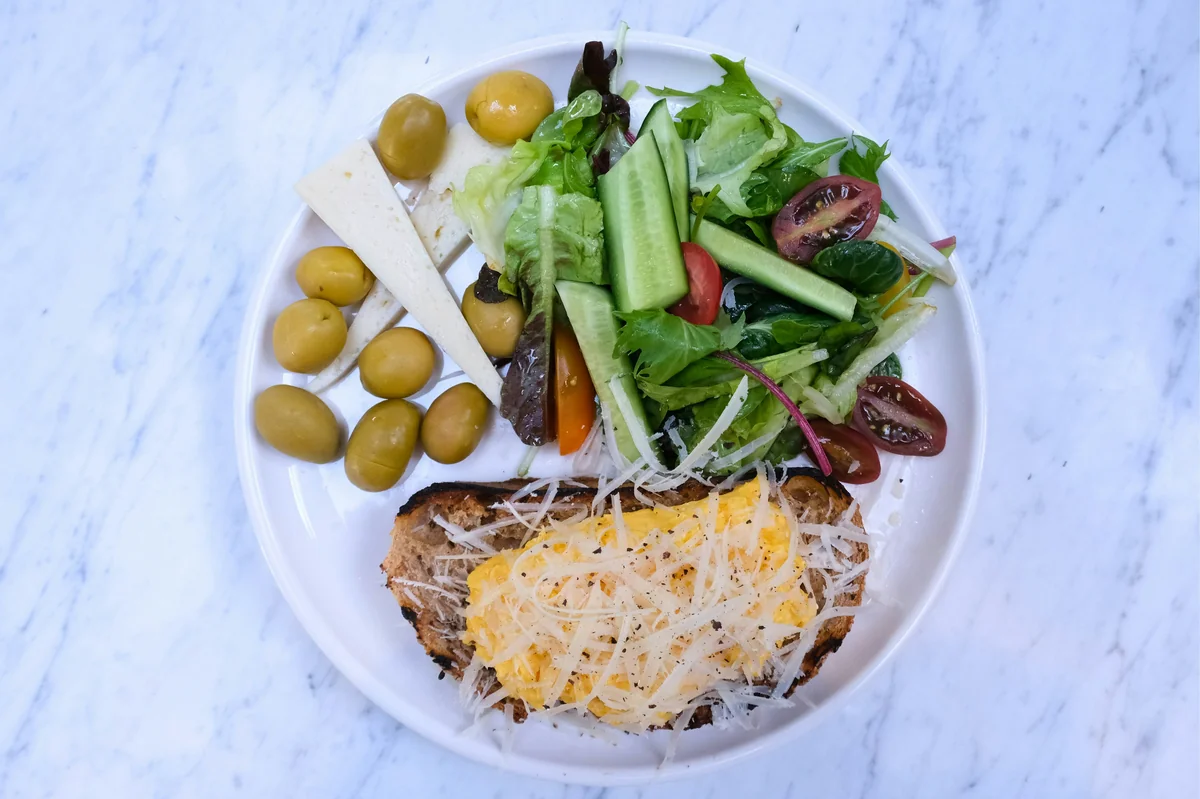
To build the concept, it helps to understand the role of each main component. Once you know what each nutrient contributes, meal planning becomes much more practical and intuitive.
1. Protein
Protein should be a central part of every meal. Good options include chicken, turkey, eggs, Greek yogurt, fish, tofu, tempeh, beans, lentils, cottage cheese, and lean cuts of beef. Protein helps keep you full and supports muscle maintenance, especially as you age or become more active.
A simple rule is to aim for a palm-sized serving of protein at most meals, adjusting based on your body size and needs.
2. Carbohydrates
Carbohydrates are often misunderstood, but they are an essential energy source. The key is choosing nutrient-dense options such as oats, brown rice, quinoa, sweet potatoes, beans, fruit, and whole-grain bread or pasta. These choices offer fiber and more stable energy compared with highly refined foods.
If your meal includes carbs without protein or fat, you may feel hungry again quickly. Pairing them properly creates more satisfying the approach.
3. Healthy fats
Healthy fats are important for flavor, fullness, and absorption of fat-soluble vitamins. Good sources include olive oil, nuts, seeds, avocado, natural nut butters, and fatty fish like salmon or sardines.
Because fats are calorie-dense, portions matter, but they should not be avoided. A drizzle of olive oil, a spoonful of seeds, or a few slices of avocado can improve both nutrition and taste.
4. Vegetables and fruit
Colorful produce adds fiber, vitamins, minerals, and antioxidants. Non-starchy vegetables such as spinach, broccoli, peppers, zucchini, tomatoes, cucumbers, carrots, and leafy greens should appear often. Fruit can also complement meals and snacks with natural sweetness and beneficial nutrients.
Filling half your plate with produce is a practical strategy for creating it without overcomplicating portion control.
5. Hydration and extras
While not technically part of the plate, water matters. Proper hydration affects digestion, appetite, and energy. Herbs, spices, lemon juice, and vinegar can also add flavor without relying heavily on salt or sugar.
How to build balanced meals for breakfast, lunch, and dinner

Creating this becomes easier when you use a repeatable structure. Instead of searching for perfect recipes every day, think in templates. This approach saves time and reduces decision fatigue.
Breakfast ideas
Breakfast should include protein, fiber, and some healthy fat for better satiety.
Examples:
– Greek yogurt with berries, chia seeds, and oats
– Eggs with whole-grain toast and sautéed spinach
– Oatmeal with peanut butter, banana, and hemp seeds
– Cottage cheese with fruit and walnuts
– Tofu scramble with vegetables and roasted potatoes
These meals provide a better start than sugary pastries or cereal alone because they combine nutrients more effectively.
Lunch ideas
Lunch is often where convenience takes over, but simple planning can help.
Examples:
– Grilled chicken, quinoa, mixed greens, cucumber, tomatoes, and olive oil dressing
– Turkey and avocado wrap on a whole-grain tortilla with carrot sticks
– Lentil soup with a side salad and whole-grain bread
– Tuna bowl with brown rice, edamame, cabbage, and sesame seeds
– Chickpea salad with feta, olives, peppers, and farro
When lunches are built with protein and fiber, afternoon energy tends to improve. That is one of the practical benefits of these in daily life.
Dinner ideas
Dinner should be satisfying and flexible, not overly complicated.
Examples:
– Baked salmon with roasted sweet potatoes and broccoli
– Stir-fry with tofu, brown rice, and mixed vegetables
– Lean beef tacos with black beans, salsa, cabbage slaw, and avocado
– Chicken pasta using whole-grain noodles, spinach, and olive oil
– Bean chili topped with Greek yogurt and served with a side salad
These dinners can be adjusted for preferences, budgets, and dietary needs. The core idea remains the same: combine major nutrient groups in a reasonable portion.
Snack support
Although the focus is on meals, snacks can help bridge hunger between them. Good examples include apple slices with peanut butter, boiled eggs with fruit, hummus with vegetables, or yogurt with seeds. Smart snacks can support your goal of eating they by preventing extreme hunger later in the day.
Meal planning tips for balanced meals on a busy schedule
One of the biggest challenges people face is consistency. Even when they understand nutrition, busy days can make healthy choices harder. The solution is not perfection but preparation. With a few systems in place, the concept become more realistic.

Start with a weekly plan
Pick three to four proteins, two to three carbs, and several vegetables for the week. For example:
– Proteins: chicken, eggs, lentils, Greek yogurt
– Carbs: brown rice, oats, sweet potatoes
– Vegetables: spinach, broccoli, bell peppers, cucumbers
From those ingredients, you can mix and match multiple meals without getting bored.
Batch cook basics
Cook staples in advance:
– Roast a tray of vegetables
– Prepare a pot of grains
– Grill or bake proteins
– Wash and chop produce
– Portion snacks into containers
This reduces the effort needed during busy weekdays and makes the approach more convenient than takeout.
Use simple formulas
Try these meal formulas:
– Protein + grain + vegetables + healthy fat
– Eggs + toast + fruit
– Soup or stew + salad
– Wrap or bowl + beans or meat + greens
– Yogurt or cottage cheese + fruit + seeds
These formulas help you improvise with what you already have.
Keep convenient staples on hand
Stock items such as canned beans, frozen vegetables, tuna, eggs, microwavable brown rice, plain yogurt, nuts, seeds, and whole-grain bread. Convenience is not the enemy if the foods still support nutrition goals.
Make room for flexibility
Healthy eating should fit your real life. If you eat out, you can still choose it by looking for protein, vegetables, and a quality carb source. A burrito bowl, grilled fish plate, or salad with added protein can work well.
Common mistakes to avoid when creating balanced meals
Even with good intentions, some habits can reduce the effectiveness of this. Knowing the common mistakes can help you adjust without feeling overwhelmed.
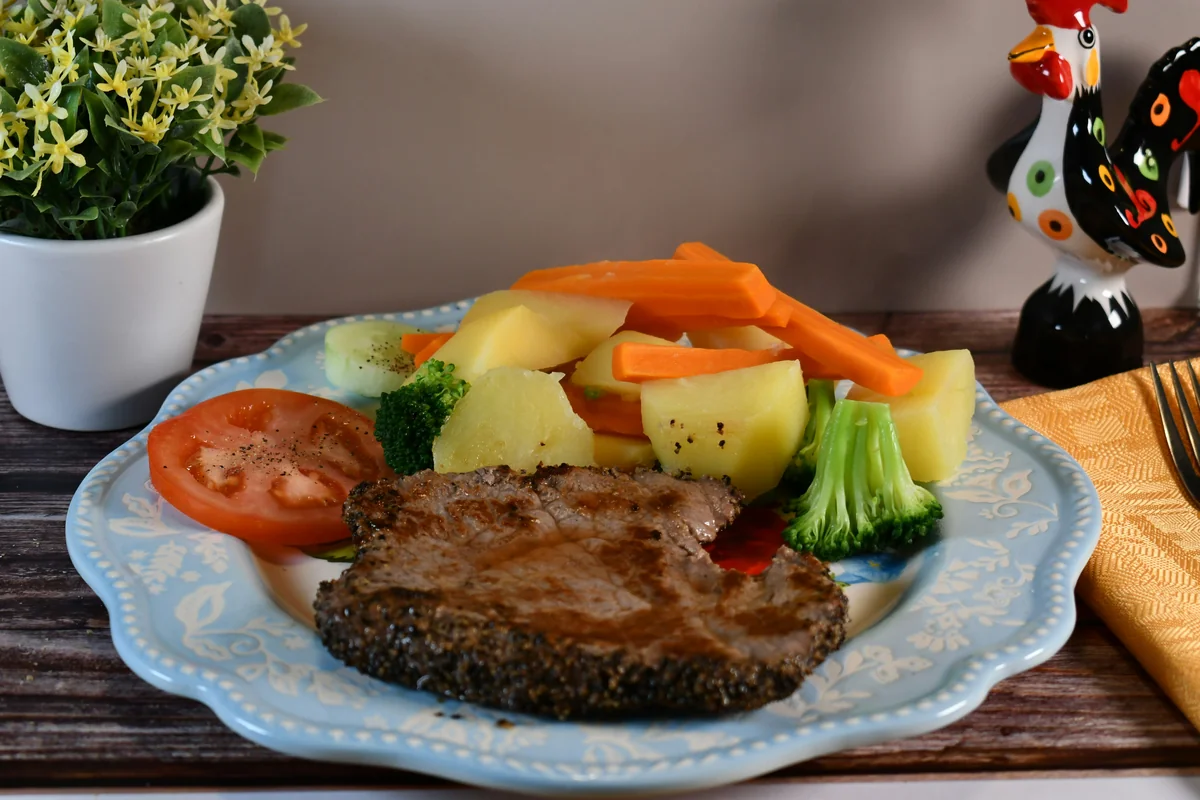
1. Eating too little protein
Meals built mostly around bread, pasta, or fruit may taste fine but often do not keep you full for long. Adding eggs, beans, fish, yogurt, tofu, or lean meat can make a major difference.
2. Avoiding carbs completely
Cutting all carbs is rarely necessary for most people. Whole-food carbohydrates provide energy, fiber, and important nutrients. The better approach is choosing higher-quality carb sources and pairing them well.
3. Forgetting vegetables
Vegetables provide volume and nutrients while helping meals feel more complete. If vegetables are missing regularly, fiber intake may suffer, and meals may be less satisfying.
4. Overrelying on processed “health” foods
Protein bars, low-calorie frozen meals, and packaged diet snacks can be useful occasionally, but they should not replace real food most of the time. Whole foods usually offer better nutrition and satiety.
5. Ignoring portions of high-calorie extras
Nuts, oils, cheese, and dressings can all fit into these, but portion awareness still matters. Small amounts can enhance a meal, while large amounts can add more calories than expected.
6. Skipping meals and overeating later
Skipping meals often leads to intense hunger, poor choices, and larger portions later in the day. Regular eating patterns can support energy and appetite control.
7. Making it too complicated
People often give up because they think healthy eating has to be elaborate. In reality, some of the best they are the simplest ones. A baked potato with cottage cheese and salad, or rice with beans, vegetables, and avocado, can be both nutritious and easy.
FAQ about balanced meals
What are balanced meals exactly?
the concept contain a mix of protein, carbohydrates, healthy fats, and fruits or vegetables in portions that support energy, fullness, and overall health. They are designed to provide a steady supply of nutrients rather than focusing too heavily on one food group.
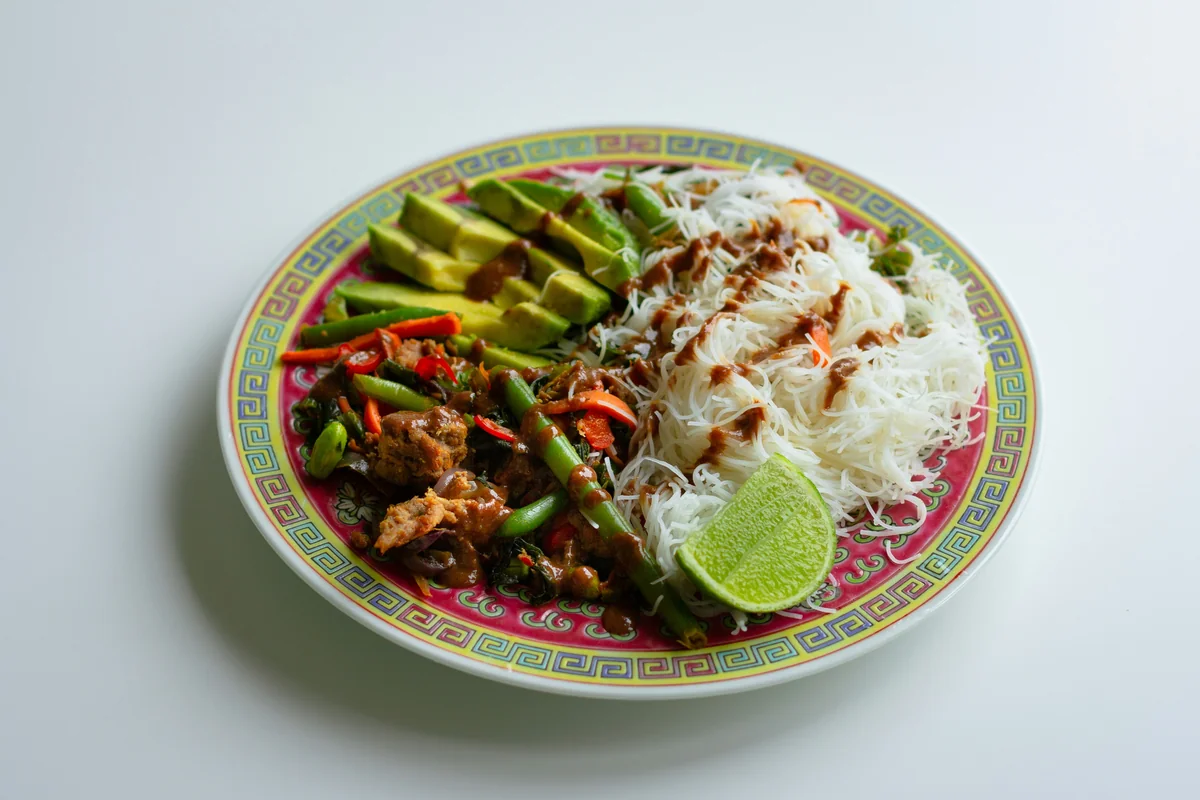
Can balanced meals help with weight management?
Yes, the approach can support weight management because they tend to be more filling and nutritious than heavily processed foods. Meals with protein and fiber often reduce hunger and help people maintain more consistent eating habits.
Are balanced meals expensive to make?
They do not have to be. Budget-friendly balanced meals can be made with eggs, beans, lentils, oats, rice, frozen vegetables, canned tuna, and seasonal produce. Planning ahead usually lowers food costs even more.
How do I make balanced meals if I am vegetarian?
Vegetarian balanced meals can include tofu, tempeh, beans, lentils, eggs, dairy, nuts, seeds, whole grains, and plenty of vegetables. Combining these foods makes it easier to get enough protein, fiber, and healthy fats.
Can I eat balanced meals when dining out?
Absolutely. Restaurant balanced meals are possible when you choose dishes with a clear protein source, vegetables, and a smart carbohydrate option. Ask for sauces on the side if needed and prioritize grilled, baked, or roasted items when possible.
Conclusion
Balanced eating does not require perfection, strict rules, or expensive ingredients. The real value of balanced meals is that they offer a simple, sustainable framework for everyday nutrition. When you combine protein, fiber-rich carbohydrates, healthy fats, and produce, meals become more satisfying and supportive of your health goals. This approach can improve energy, reduce cravings, and make meal planning much less stressful. Start small by improving one meal a day, then build from there. Over time, those consistent choices can create meaningful results. Whether you cook at home, prep for the week, or make better decisions while eating out, balanced meals provide a practical path toward healthier daily habits and a more enjoyable relationship with food.