
Choosing a profession can feel overwhelming, especially when your interests, talents, and life circumstances seem to pull in different directions. Many people use personality tests, mentoring, and skills assessments to gain clarity. Others turn to astrology for a deeper perspective on purpose, work style, and long-term direction. it can offer a reflective framework for understanding strengths, motivations, challenges, and ideal professional environments. Rather than replacing practical planning, astrology can complement it by helping you ask better questions about who you are and what kind of work feels meaningful.
Table of Contents
- Understanding the basics of Career path astrology insights
- Key chart elements that shape Career path astrology insights
- The Midheaven and 10th house
- The 6th house and daily work life
- Saturn and professional mastery
- Mercury, Jupiter, and Mars
- The North Node and vocational growth
- Zodiac signs and personality patterns in Career path astrology insights
- Fire signs: Aries, Leo, Sagittarius
- Earth signs: Taurus, Virgo, Capricorn
- Air signs: Gemini, Libra, Aquarius
- Water signs: Cancer, Scorpio, Pisces
- How to apply Career path astrology insights in real career planning
- Identify your work style
- Match strengths to industries
- Use timing for career transitions
- Balance astrology with reality
- Reflect on fulfillment, not just success
- Common mistakes and myths about Career path astrology insights
- Myth 1: One zodiac sign determines your entire career
- Myth 2: Astrology predicts a single fixed destiny
- Myth 3: A difficult chart means career failure
- Myth 4: Astrology replaces skill development
- Myth 5: Timing tools guarantee events
- FAQ: Career path astrology insights
- Can astrology really help with career decisions?
- Which part of the birth chart matters most for career?
- Do I need my exact birth time?
- Can astrology tell me the perfect job?
- Is astrology useful for career changes?
- Conclusion
In this guide, we will explore how astrology can support career decisions, what parts of a birth chart matter most, how zodiac signs and planetary placements influence work tendencies, and how to use this information responsibly. Whether you are entering the workforce, considering a career change, or seeking greater fulfillment, this can be a valuable tool for self-discovery.
Understanding the basics of Career path astrology insights
At its core, astrology studies the relationship between planetary positions and human tendencies. When applied to work and vocation, these focus on the parts of a natal chart connected to ambition, talents, discipline, communication, public image, and life purpose. This does not mean astrology predicts one fixed job title. Instead, it suggests patterns that may help you identify environments and roles where you are more likely to thrive.
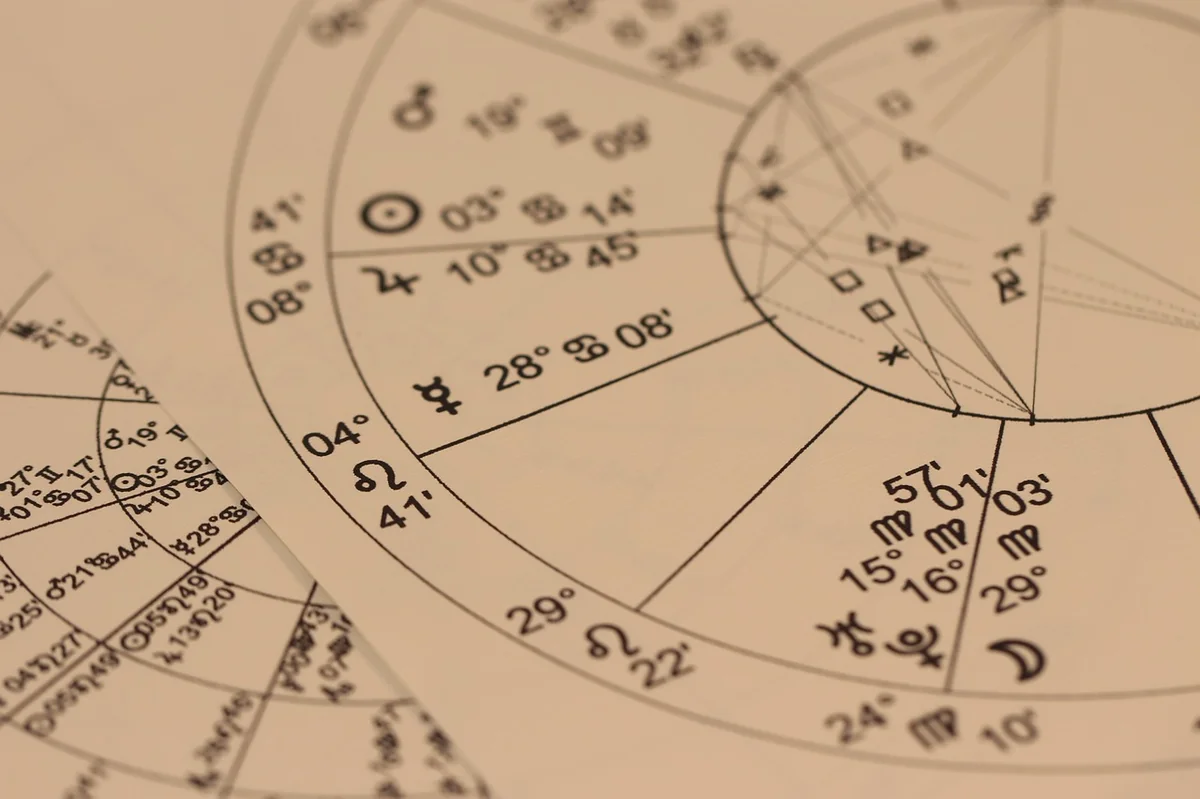
A birth chart is based on the exact date, time, and place of birth. It maps the Sun, Moon, planets, houses, and angles. For career analysis, astrologers often pay special attention to the Midheaven, the 10th house, the 6th house, Saturn, Mercury, Jupiter, and the North Node. Together, these factors reveal how a person approaches responsibility, daily work, achievement, learning, and long-term direction.
The Sun sign is often the only placement many people know, but serious career interpretation goes much deeper. For example, your Sun may show core identity and motivation, while your Moon can reveal emotional needs that affect workplace satisfaction. Mercury influences communication and thinking style, Mars shows drive and ambition, and Saturn reflects discipline, structure, and lessons that shape professional growth.
Another important point is that astrology is best used as a mirror rather than a rulebook. The most useful they do not tell you that you must become one thing forever. They help you notice themes, such as whether you are energized by leadership, service, research, creativity, healing, entrepreneurship, or collaboration. From there, you can compare those themes with education, experience, market demand, and personal goals.
When people feel lost in their professional life, astrology can offer language for what has been difficult to define. It may explain why some thrive in fast-paced, competitive settings while others need autonomy, purpose-driven work, or emotional connection. In that sense, the concept support self-awareness, which is often the foundation of better career decisions.
Key chart elements that shape Career path astrology insights

To get meaningful the approach, it helps to understand the most career-relevant parts of the natal chart. Each chart element contributes a piece of the larger professional picture.
The Midheaven and 10th house
The Midheaven, also called the MC, is one of the strongest indicators of career direction, public reputation, and visible achievements. The zodiac sign on the Midheaven suggests the style through which you seek recognition. For example, an Aries Midheaven may prefer initiative and leadership, while a Virgo Midheaven may excel through precision, service, and analytical skill.
The 10th house expands on this by showing your relationship with ambition, authority, and long-term accomplishments. Planets placed in the 10th house often become highly visible in your professional life. A Venus placement here may point toward design, diplomacy, beauty, or client-facing roles. A Mars placement may indicate competitive industries, operations, or entrepreneurial drive.
The 6th house and daily work life
While the 10th house reflects career status, the 6th house reveals day-to-day work habits, routines, service, and wellness. This house can show whether you prefer structure or flexibility, independent work or team collaboration, and fast execution or careful refinement. Strong 6th-house energy often appears in people who are devoted to skill-building, organization, or helping others through practical support.
Saturn and professional mastery
Saturn is often linked with responsibility, discipline, effort, and delayed rewards. It can show where you must work hardest, but also where you can build lasting success. In many cases, Saturn’s lessons become central to it because professional confidence often develops through persistence, not instant ease. A well-integrated Saturn can indicate leadership maturity, resilience, and the ability to create long-term stability.
Mercury, Jupiter, and Mars
Mercury shapes communication, learning, analysis, and adaptability. It is especially important in careers involving writing, teaching, sales, technology, negotiation, or strategy. Jupiter reflects growth, opportunity, wisdom, and a broader sense of purpose. It can suggest areas where confidence and expansion come naturally. Mars shows how you act, compete, take initiative, and pursue goals. It often points to your preferred style of ambition.
The North Node and vocational growth
The North Node is associated with soul growth and future development. While not strictly a career marker, it can provide powerful this by revealing the qualities and experiences that support long-term fulfillment. If your current work feels safe but stagnant, the North Node may point toward a direction that feels stretching yet meaningful.
When these chart elements are read together, they create a more complete understanding than any single sign or placement could provide. Astrology becomes most useful when it reveals patterns rather than simplistic labels.
Zodiac signs and personality patterns in Career path astrology insights

One popular way to approach these is through zodiac archetypes. While no sign determines a single profession, each sign carries qualities that can align well with certain career environments, tasks, and leadership styles.
Fire signs: Aries, Leo, Sagittarius
Fire signs are often associated with energy, vision, confidence, and action. Aries tends to thrive where independence, speed, and initiative matter. This can support roles in entrepreneurship, sales, athletics, emergency response, or project leadership. Leo often seeks creative expression, recognition, and influence, making it strong for entertainment, branding, leadership, education, or management. Sagittarius values exploration, meaning, and growth, which can align with travel, publishing, higher education, coaching, or global business.
Earth signs: Taurus, Virgo, Capricorn
Earth signs are known for practicality, consistency, and tangible results. Taurus often appreciates stability, quality, and value creation, which may fit finance, design, food, luxury, music, or real estate. Virgo is highly analytical, detail-oriented, and service-minded, making it excellent for research, healthcare, editing, operations, or technical problem-solving. Capricorn is deeply tied to ambition, structure, and achievement, often finding success in management, administration, law, engineering, or executive leadership.
Air signs: Gemini, Libra, Aquarius
Air signs emphasize ideas, communication, social intelligence, and innovation. Gemini thrives in variety, networking, and information flow, often doing well in media, writing, sales, marketing, journalism, or teaching. Libra values balance, aesthetics, and relationships, which can support law, design, diplomacy, counseling, human resources, or public relations. Aquarius is often future-focused and unconventional, thriving in technology, social impact, science, innovation, or community organizing.
Water signs: Cancer, Scorpio, Pisces
Water signs are connected with emotion, intuition, depth, and healing. Cancer often excels in nurturing, protection, and emotional awareness, which can fit education, caregiving, hospitality, counseling, or community leadership. Scorpio is investigative, strategic, and transformative, often drawn to psychology, finance, research, crisis management, or healing professions. Pisces is imaginative and compassionate, making it strong for art, spirituality, healthcare, therapy, film, music, or nonprofit work.
Although these sign patterns are helpful, the best they come from looking at the full chart. Someone with a Pisces Sun and strong Capricorn placements may be both deeply creative and highly strategic. A Gemini Sun with heavy Scorpio influence may communicate brilliantly but prefer research or depth over constant social variety. The chart shows nuance, and that nuance matters when making real-life career choices.
How to apply Career path astrology insights in real career planning
Astrology becomes truly valuable when it moves from abstract symbolism into practical action. The best the concept are not just interesting; they help you make smarter career decisions.
Identify your work style
Start by asking how you naturally function. Do you prefer autonomy or supervision? Deep focus or constant change? Public visibility or behind-the-scenes contribution? Your chart can reveal whether you are better suited to structured systems, creative freedom, service roles, analytical work, or leadership. Once you understand this, you can evaluate careers based on fit rather than social expectations alone.
Match strengths to industries
Instead of looking for one “destined job,” identify clusters of strengths. For example, strong Mercury and Gemini energy may suggest communication-heavy fields. A powerful Saturn and Capricorn emphasis may support organizational leadership. Strong Venus placements may point to design, aesthetics, diplomacy, or relationship-based work. This is where the approach become highly practical: they help translate personality patterns into industry possibilities.
Use timing for career transitions
Many astrologers also study transits and progressions to understand timing. Saturn returns, Jupiter transits, eclipses, and significant 10th-house activations can coincide with promotions, career pivots, new responsibilities, or periods of reassessment. This does not guarantee an event, but it can indicate when growth, pressure, or opportunity is more likely. If you are considering a major shift, timing tools may add another layer of perspective.
Balance astrology with reality
Astrology should support decision-making, not replace critical thinking. Education, finances, family needs, health, market conditions, and personal values all matter. Use it as one input among many. A chart may show strong creative talent, but turning that into a stable profession could require additional training, portfolio building, or a hybrid career path. Practical planning ensures astrological reflection becomes useful rather than vague.
Reflect on fulfillment, not just success
Many people chase status and later realize the work does not suit them emotionally or ethically. A strong chart reading can reveal what kinds of contribution feel meaningful to you, not only what looks impressive from the outside. This deeper perspective is one of the greatest strengths of Career path astrology insights, especially for people experiencing burnout or misalignment.
To apply astrology well, keep a journal of recurring themes from chart readings, career experiences, feedback from others, and your own sense of energy. Over time, patterns become clearer. The goal is not perfection. The goal is alignment between your strengths, values, and daily work.
Common mistakes and myths about Career path astrology insights
As interest in astrology grows, so do misunderstandings. To use Career path astrology insights wisely, it is important to avoid common myths.

Myth 1: One zodiac sign determines your entire career
This is one of the biggest misconceptions. Your Sun sign alone cannot define your profession. Career interpretation depends on the whole chart, especially the Midheaven, houses, planets, and aspects. Reducing everything to one sign creates shallow advice that may feel inaccurate.
Myth 2: Astrology predicts a single fixed destiny
Astrology points to tendencies, not unchangeable outcomes. Two people with similar charts can choose very different professions based on upbringing, education, opportunity, and personal choice. Career path astrology insights are about possibilities and patterns, not rigid fate.
Myth 3: A difficult chart means career failure
Challenging placements do not mean you are doomed professionally. In fact, many highly successful people have intense Saturn, Pluto, or Mars aspects that pushed them to develop exceptional resilience and mastery. What matters is how you work with the energy over time.
Myth 4: Astrology replaces skill development
No chart can substitute for learning, practice, networking, and discipline. If your chart suggests leadership potential, you still need communication skills and experience. If it points toward artistic talent, you still need technique and consistency. Astrology may reveal direction, but effort builds results.
Myth 5: Timing tools guarantee events
Transits and progressions are symbolic weather patterns, not fixed scripts. A Jupiter transit may bring opportunity, but only if you recognize and act on it. A Saturn transit may bring tests, but also the chance to build credibility. Responsible Career path astrology insights avoid absolute promises.
The healthiest approach is to stay open, curious, and grounded. Let astrology help you understand yourself more clearly, but do not surrender your agency. Your choices, habits, and willingness to adapt remain central to professional growth.
FAQ: Career path astrology insights
Can astrology really help with career decisions?
Yes, astrology can help by highlighting strengths, motivations, work styles, and growth areas. Career path astrology insights are most useful when they support self-awareness and are combined with practical planning, education, and real-world experience.

Which part of the birth chart matters most for career?
The Midheaven and 10th house are especially important, but they are not the only factors. The 6th house, Saturn, Mercury, Mars, Jupiter, and North Node also contribute meaningful Career path astrology insights about daily work, communication, ambition, opportunity, and long-term fulfillment.
Do I need my exact birth time?
An exact birth time is very helpful because it determines the house system and angles, including the Midheaven. Without it, some Career path astrology insights may be less precise, though planetary signs and some broader themes can still be interpreted.
Can astrology tell me the perfect job?
Not usually in a narrow sense. Instead, astrology points to patterns that suggest suitable environments, strengths, and types of work. The best Career path astrology insights help you identify several aligned options rather than one fixed profession.
Is astrology useful for career changes?
Absolutely. During transitions, astrology can clarify what is no longer working and what qualities need more expression in your next chapter. Many people use Career path astrology insights when they feel stuck, burned out, or ready for more meaningful work.
Conclusion
Finding the right career is rarely a straight line. It involves experimentation, setbacks, growth, and changing priorities over time. Astrology offers a unique lens for understanding how you think, work, lead, communicate, and seek purpose. When interpreted thoughtfully, Career path astrology insights can reveal themes that make career choices feel more aligned and intentional.
The key is to use astrology as a supportive tool rather than a rigid answer. Combine self-knowledge with skill development, financial planning, market awareness, and lived experience. In doing so, Career path astrology insights can help you move beyond confusion and toward a professional path that feels both realistic and personally meaningful.