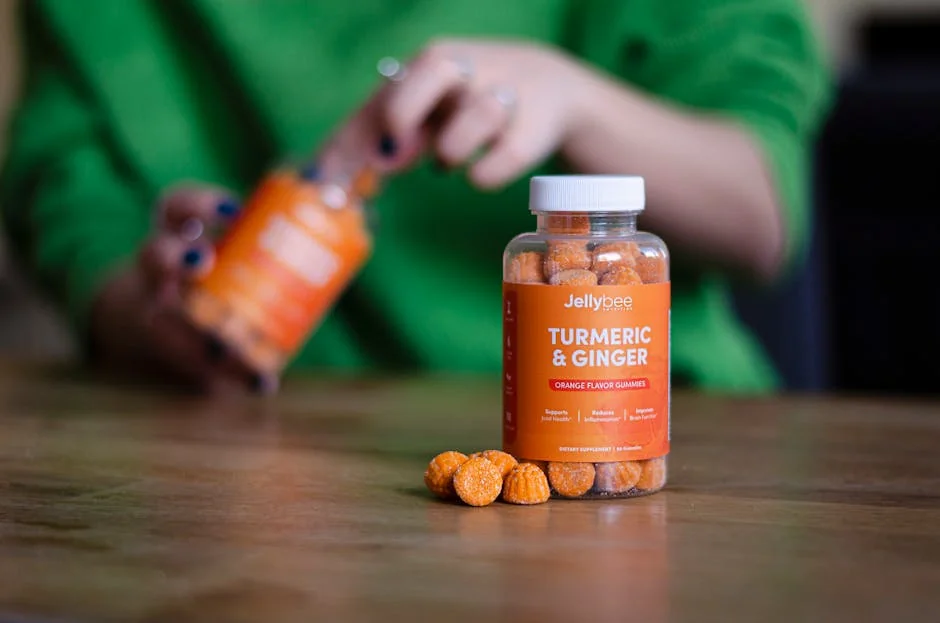


Your immune system works around the clock to protect you from viruses, bacteria, and other threats. Yet strong health is rarely the result of one “superfood” or one supplement. In most cases, it comes from a combination of daily habits that help your body function as it should. it is best understood as a long-term lifestyle approach, not a quick fix. Sleep quality, nutrient intake, exercise, stress management, and hydration all play major roles in helping the body maintain healthy defenses. In a world filled with wellness trends and bold claims, it’s important to focus on evidence-based strategies that are practical and sustainable. This guide explains how to build routines that promote better resilience, support recovery, and help you make informed choices for everyday health.
Table of Contents
- What immune support really means
- Nutrition strategies for immune support
- Lifestyle habits that strengthen immune support
- Supplements, herbs, and myths about immune support
- Seasonal and everyday immune support for families
- FAQ about immune support
- What is the best food for immune support?
- Do supplements really help immune support?
- How does sleep affect immune support?
- Can exercise improve immune support?
- Is gut health connected to immune support?
- What is the fastest way to improve immune support?
- Conclusion
What immune support really means
Many people use the term this to describe anything that may help the body defend itself. However, the immune system is highly complex, involving white blood cells, antibodies, the lymphatic system, the gut, the skin, and multiple organs working together. Rather than “boosting” immunity in a simplistic sense, healthy habits help maintain normal immune function and reduce the likelihood that the body becomes overburdened.
A smarter way to think about these is balance. Your body needs enough energy, micronutrients, rest, and recovery to perform routine protective functions. It also needs regulation. An immune response that is too weak can leave the body vulnerable, while a response that is too aggressive can create other health concerns. That is why quality nutrition, stress control, and proper sleep matter just as much as products marketed for wellness.
The foundation starts with consistency. A nutrient-dense eating pattern provides vitamins and minerals that help cells communicate and respond efficiently. Regular movement encourages circulation, which helps immune cells travel through the body. Good sleep supports repair and signaling pathways involved in defense. Each of these factors contributes to they in a practical, measurable way.
It is also important to note that no article can replace individualized medical advice. People with chronic illness, autoimmune conditions, allergies, or medication interactions should speak with a healthcare professional before making major changes to diet or supplements. Reliable the concept focuses on realistic habits, not hype.
Nutrition strategies for immune support
Food is one of the most powerful tools for the approach because the body relies on nutrients to build and maintain its defense systems. Protein helps produce antibodies and repair tissues. Vitamins such as A, C, D, and E support immune cell function, while minerals like zinc, selenium, iron, and magnesium contribute to numerous protective processes.
A balanced plate is often more effective than chasing isolated ingredients. Aim to include vegetables, fruits, whole grains, lean proteins, legumes, nuts, seeds, and healthy fats throughout the week. Colorful produce supplies antioxidants and phytonutrients that help protect cells from oxidative stress. Citrus fruits, berries, peppers, leafy greens, sweet potatoes, broccoli, and tomatoes are all useful choices.
Protein deserves special attention. Eggs, yogurt, fish, poultry, tofu, beans, lentils, and nuts help supply amino acids needed for normal repair and immune activity. Healthy fats from olive oil, avocados, seeds, and fatty fish also support overall wellness and may help regulate inflammation.
Hydration matters too. Water supports circulation, digestion, temperature regulation, and the transport of nutrients throughout the body. Even mild dehydration can leave you feeling tired and less able to maintain healthy routines. For many adults, drinking water consistently across the day is a simple but effective step for it.
The gut also plays a major role. A large portion of immune activity is linked to the gastrointestinal system, which is why fiber-rich foods are so valuable. Beans, oats, vegetables, fruit, and whole grains help feed beneficial gut bacteria. Fermented foods such as yogurt with live cultures, kefir, kimchi, sauerkraut, and miso may also support a healthy microbiome.
Supplements can be helpful in specific situations, especially when a deficiency is present. Vitamin D, zinc, vitamin C, and probiotics are often discussed in relation to this, but they are not universal solutions. More is not always better, and excessive intake of certain nutrients can be harmful. Testing, medical guidance, and targeted use are usually better than guesswork.
If you want a simple nutrition checklist, focus on these core actions:
– Eat a variety of colorful fruits and vegetables daily
– Include quality protein at each meal
– Choose high-fiber foods to support gut health
– Stay well hydrated
– Limit heavily processed foods high in sugar and low in nutrients
– Use supplements only when needed and preferably with professional guidance
These basics may sound ordinary, but over time they create a strong nutritional base for these.
Lifestyle habits that strengthen immune support

Daily routines influence health outcomes more than most people realize. While many people look for fast results, sustainable they is usually built through the habits repeated every day. Among these, sleep stands out as one of the most important.
During sleep, the body carries out essential repair work. Hormonal signaling, tissue restoration, and many aspects of immune regulation are closely connected to sleep quality and duration. Adults should generally aim for seven to nine hours per night, though individual needs vary. Poor sleep over time can weaken resilience, increase stress hormones, and make it harder for the body to respond effectively.
Physical activity is another major pillar. Moderate exercise supports circulation and overall metabolic health, both of which contribute to efficient immune function. Walking, cycling, swimming, resistance training, and mobility work can all be beneficial. The key is consistency. Extreme overtraining without enough recovery may place stress on the body, so balance matters here as well. A practical goal is at least 150 minutes of moderate activity per week, along with strength training sessions.
Stress management is often overlooked, yet chronic stress can affect sleep, appetite, mood, and the body’s ability to maintain healthy defenses. Effective techniques include breathing exercises, mindfulness, journaling, prayer, time outdoors, therapy, social support, and setting healthier boundaries around work and technology. One of the most underrated forms of the concept is simply reducing the daily load on your nervous system.
Avoiding harmful habits also plays a major role. Smoking damages tissues and impairs several protective mechanisms. Excess alcohol can interfere with sleep, hydration, nutrient absorption, and immune regulation. Supporting health does not always mean adding more; sometimes it means removing the behaviors that strain the body.
Sunlight and fresh air can also be helpful. Sensible sun exposure may support vitamin D status for some people, while time outdoors often improves mood and stress levels. Although these habits are not magic solutions, they fit into a broader lifestyle strategy for the approach that is grounded in long-term health.
Supplements, herbs, and myths about immune support
The market for wellness products is crowded, and it is easy to become confused by claims about pills, powders, teas, and tinctures. Some supplements may play a role in it, but only in the right context. The biggest mistake is assuming that a product can replace sleep, nutrition, hydration, and healthy routines.

Vitamin D is commonly discussed because deficiency is widespread in some populations, especially in areas with limited sun exposure. Zinc is another nutrient often associated with immune function, though too much can cause side effects or interfere with copper balance. Vitamin C has long been popular, and while it supports general health, it is not a cure-all. Probiotics may benefit certain people, particularly when gut health is a concern, but the effects depend on the strain, the dose, and the individual.
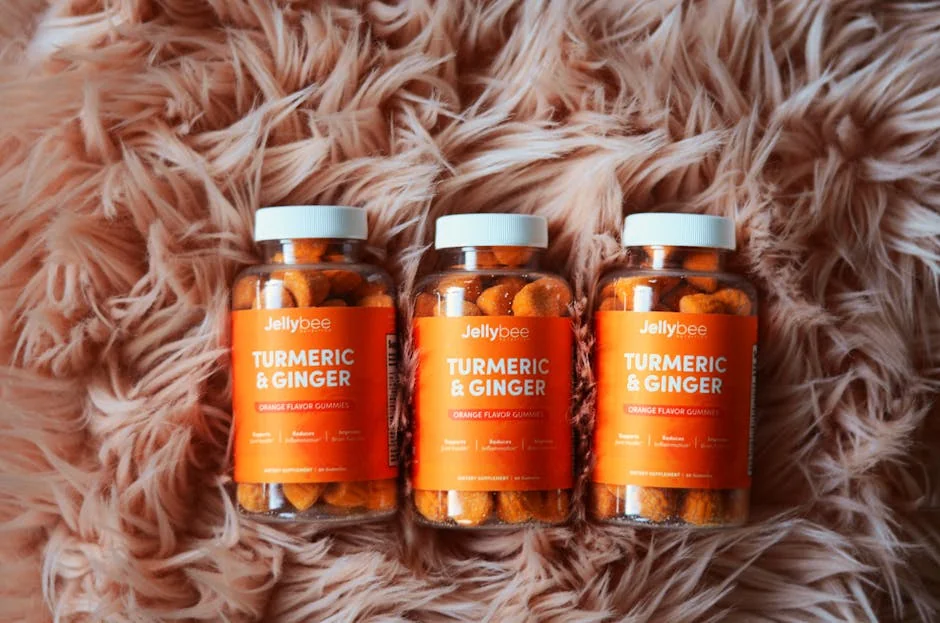
Herbal options such as elderberry, echinacea, garlic, ginger, turmeric, and medicinal mushrooms are frequently promoted for this. Some have promising research in specific settings, but evidence quality varies. Natural does not automatically mean safe. Herbs may interact with medications, affect blood clotting, trigger allergies, or be unsuitable during pregnancy or for people with certain conditions.
One of the most persistent myths is the idea that you can “supercharge” immunity overnight. In reality, the immune system does not work like a battery that can simply be turned up to maximum. It depends on regulation, communication, and adequate resources. Another myth is that more supplements always produce better results. Excessive supplementation can stress the body, waste money, and create unnecessary risks.
If you are considering supplements as part of these, use a cautious approach:
- Identify whether there is a real need, such as a known deficiency
- Choose reputable brands that undergo quality testing
- Follow recommended dosages
- Watch for medication interactions
- Ask a healthcare professional for guidance when needed
Evidence-based choices are usually less exciting than marketing promises, but they are more effective and far safer.
Seasonal and everyday immune support for families
Health needs can shift with the seasons, changes in routine, travel, school schedules, and workplace stress. That is why flexible they strategies are so useful for individuals and families. During colder months, people often spend more time indoors, where close contact, dry air, and lower sunlight exposure can influence wellness habits. At these times, consistency becomes even more important.
For families, the best starting point is creating routines that are easy to maintain. Keep nutrient-dense foods visible and convenient. Prepare simple meals with protein, vegetables, and whole grains. Encourage regular handwashing, especially before meals and after returning home. Build bedtime habits that support enough sleep for both children and adults. Reduce overscheduling when possible, since constant fatigue and stress can wear down the household.
Children may need special attention to eating variety, hydration, and sleep. Adults often need to manage stress and recovery more intentionally. Older adults may benefit from extra focus on protein intake, hydration, and medical monitoring for nutrient deficiencies. In every age group, the concept becomes more effective when it matches actual daily life rather than idealized routines that are impossible to sustain.
Travel is another time when healthy habits can slip. Long flights, disrupted sleep, restaurant meals, and dehydration may affect how you feel. Pack water, protein-rich snacks, and basic hygiene items. Prioritize sleep before and after travel when possible. Even a few small steps can help maintain the approach during busy periods.
It is also helpful to remember that prevention includes common-sense behavior. Staying home when sick, covering coughs and sneezes, keeping shared surfaces clean, and following guidance from medical professionals are practical ways to support personal and community health. Good routines do not eliminate every illness, but they can improve resilience and recovery.
FAQ about immune support
What is the best food for immune support?
There is no single best food for it. A varied diet works better than relying on one ingredient. Fruits, vegetables, yogurt, beans, nuts, seeds, eggs, fish, and whole grains all contribute important nutrients that help maintain normal immune function.

Do supplements really help immune support?
Supplements can help this when they address a true deficiency or a specific need, such as low vitamin D or inadequate zinc intake. However, they should not replace sleep, good nutrition, exercise, and stress management. It is best to use them thoughtfully and with professional guidance when needed.
How does sleep affect immune support?
Sleep is essential for these because the body uses sleep time for repair, regulation, and communication between cells and signaling molecules. Poor sleep can increase stress and make it harder for the body to maintain healthy defenses over time.
Can exercise improve immune support?
Yes, regular moderate exercise can improve immune support by helping circulation, metabolic health, stress control, and overall resilience. The key is balance. Too little movement is not ideal, but intense overtraining without enough recovery may also be counterproductive.
Is gut health connected to immune support?
Yes, gut health is strongly connected to immune support. The digestive tract is home to beneficial microbes and immune activity that influence how the body responds to challenges. Fiber-rich foods and fermented foods may help support a healthier gut environment.
What is the fastest way to improve immune support?
The fastest meaningful way to improve immune support is to focus on basics immediately: get enough sleep, drink more water, eat balanced meals, reduce excessive stress, and stay physically active. These steps are more effective in the long run than chasing quick-fix products.
Conclusion
Real wellness is built on daily choices, not miracle claims. The most effective approach to immune support includes balanced nutrition, enough sleep, regular exercise, hydration, stress management, and sensible use of supplements when appropriate. These habits work together to help the body maintain normal defenses and recover more efficiently from daily challenges.
If you want better long-term results, start simple and stay consistent. Build meals around whole foods, protect your sleep schedule, move your body regularly, and pay attention to stress before it becomes overwhelming. In the end, sustainable immune support is less about doing one thing perfectly and more about doing the right things often enough to make a real difference.