


Chronic diseases such as heart disease, diabetes, cancer, respiratory illness, and hypertension account for a large share of illness, disability, and early death worldwide. The good news is that many long-term conditions are influenced by everyday choices, environmental factors, and timely medical care. it is not about perfection or extreme routines. It is about building sustainable habits that protect health over time, lower risk, and improve quality of life at every age.
Table of Contents
- Why chronic disease prevention matters
- Nutrition and weight management for chronic disease prevention
- Physical activity, sleep, and stress control
- Medical screenings and lifestyle risks
- Building long-term habits for chronic disease prevention
- FAQ
- What is chronic disease prevention?
- Why is chronic disease prevention important for adults?
- Can chronic disease prevention start later in life?
- Which foods help the most with chronic disease prevention?
- How much exercise is needed for chronic disease prevention?
- Conclusion
In practice, prevention combines nutrition, physical activity, sleep, stress management, avoiding harmful substances, and regular screenings. Small changes often create major long-term benefits when they are consistent. Whether you are trying to lower blood pressure, maintain a healthy weight, reduce inflammation, or support metabolic health, the principles are similar. This guide explains practical, evidence-based strategies you can use to make healthier living more realistic and more effective.
Why chronic disease prevention matters
this matters because chronic conditions typically develop over years, often quietly, before symptoms become obvious. High blood pressure, elevated blood sugar, excess body fat, high cholesterol, and chronic inflammation can gradually damage the body long before a diagnosis is made. By focusing on prevention, people can reduce the likelihood of serious complications such as stroke, kidney disease, heart attack, nerve damage, and reduced mobility.
Another reason these deserves attention is cost. Long-term illness can lead to expensive medications, repeated appointments, hospital stays, and lost productivity. Preventive habits are often less costly than treatment after disease develops. Eating more whole foods, walking regularly, quitting smoking, and keeping up with screenings can produce strong returns for both personal health and household finances.
Prevention also supports daily well-being, not just future outcomes. Better habits can improve energy, mood, concentration, sleep quality, and physical function. These gains help people stay active, work effectively, and enjoy stronger relationships. Rather than seeing prevention as a restrictive program, it is more useful to view it as an investment in everyday life.
Risk factors do not affect everyone equally. Genetics, age, family history, income, access to care, sleep quality, work stress, and neighborhood conditions all play a role. Even so, many risks remain modifiable. That is why they should be personalized. One person may need to focus on blood sugar control, while another benefits most from lowering sodium intake, becoming more active, or limiting alcohol.
The earlier healthy habits begin, the better. Yet prevention is valuable at any age. Children benefit from nutritious meals and active play, adults gain from stress management and routine checkups, and older adults can protect independence through strength training, fall prevention, and medication review. There is no point at which healthier behavior stops mattering.
Nutrition and weight management for chronic disease prevention
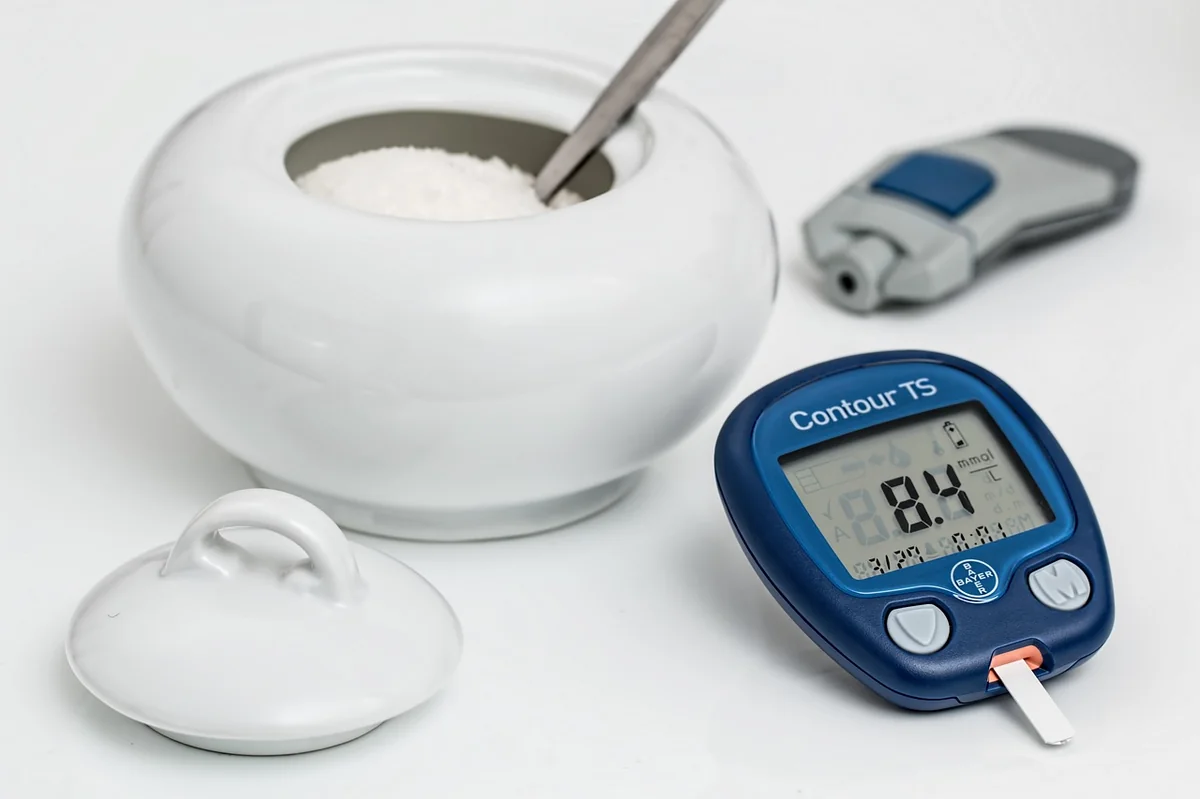
Food choices have a powerful effect on the concept because diet influences blood pressure, insulin sensitivity, cholesterol levels, inflammation, and body weight. A protective eating pattern does not need to be trendy or complicated. In most cases, the strongest foundation is a diet built around vegetables, fruits, beans, lentils, whole grains, nuts, seeds, lean proteins, and healthy fats.
One useful approach is to make half the plate vegetables and fruits, one quarter lean protein, and one quarter high-fiber carbohydrates such as brown rice, oats, quinoa, or sweet potatoes. This pattern supports fullness, steadier energy, and more balanced blood sugar. Fiber is especially important because it helps with digestion, cholesterol control, appetite regulation, and gut health.
Limiting ultra-processed foods is also central to the approach. Packaged snacks, sugary drinks, processed meats, and refined sweets can be high in sodium, added sugar, and unhealthy fats while offering little nutritional value. Frequent intake of these products is associated with weight gain and poorer cardiometabolic health. Replacing them with minimally processed foods is often one of the most effective changes a person can make.
Weight management matters, but it should be approached realistically. Crash diets often fail because they are too restrictive to sustain. A better strategy is gradual improvement: smaller portions, fewer liquid calories, more home-cooked meals, and consistent meal timing. Even modest weight loss can reduce risk factors for diabetes and heart disease in people carrying excess weight.
Hydration supports healthy eating as well. Drinking water instead of sugar-sweetened beverages can lower calorie intake and help control blood sugar spikes. People often underestimate how much soda, sweet tea, flavored coffee drinks, and energy drinks affect long-term health. Reducing them is a simple but meaningful step.
Some nutrition habits are especially important for prevention:
– Eat more fiber-rich foods daily
– Choose unsaturated fats from olive oil, nuts, seeds, and fish
– Reduce excess sodium, especially from packaged foods
– Limit added sugars
– Watch portion sizes without becoming obsessive
– Plan meals ahead to avoid impulsive choices
For many households, the biggest challenge is not knowledge but consistency. Keeping healthy staples on hand, preparing meals in batches, and reading nutrition labels can make better choices easier. Over time, these habits create a strong nutritional base for lifelong health.
Physical activity, sleep, and stress control
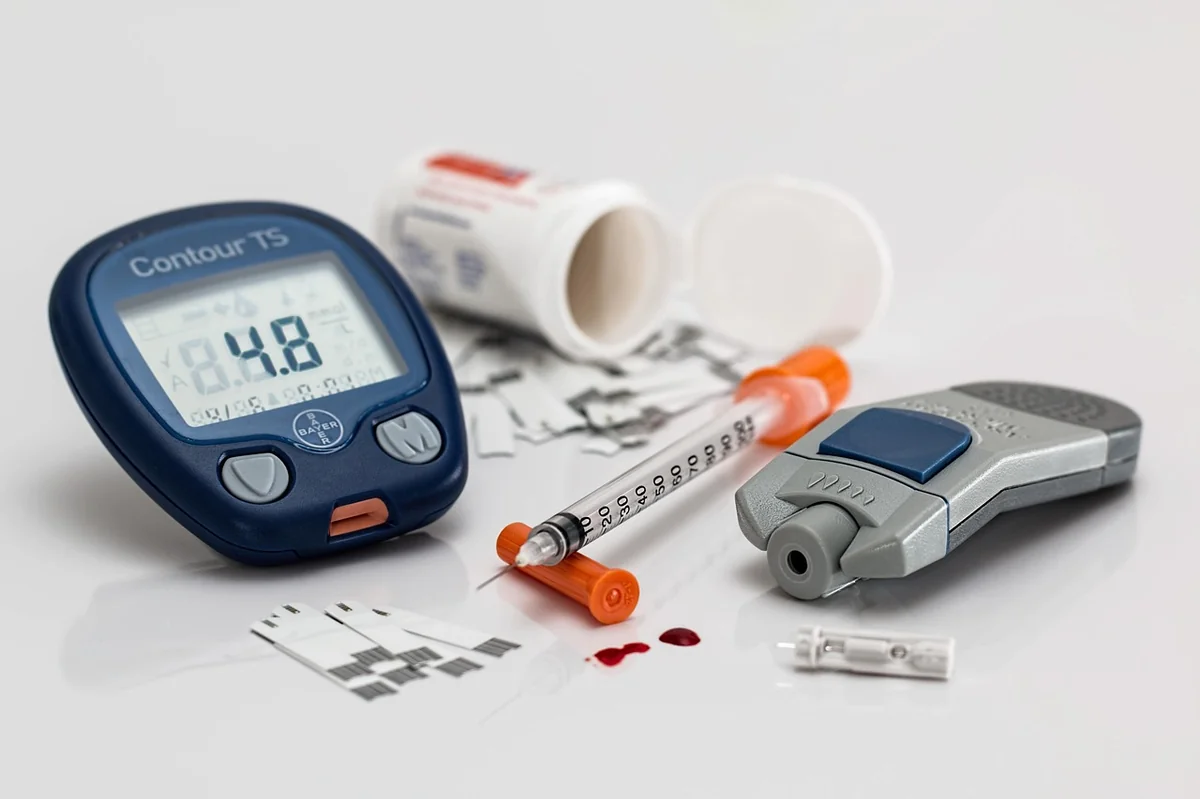
Movement is one of the most effective tools for it. Regular physical activity supports the heart, muscles, bones, brain, and metabolism. It can lower blood pressure, improve insulin sensitivity, reduce body fat, strengthen joints, and improve mood. Exercise does not need to mean intense workouts at a gym. Walking, cycling, swimming, dancing, gardening, and home-based strength training all count.
Adults generally benefit from a mix of aerobic activity and strength training. Aerobic movement supports cardiovascular health, while resistance exercise helps preserve muscle mass, improve glucose use, and maintain functional strength. For people who sit most of the day, simply standing up more often and taking short walking breaks can improve health markers.
Sleep is often overlooked in this, yet poor sleep affects nearly every major system in the body. Inadequate or irregular sleep can increase hunger hormones, worsen blood sugar control, raise blood pressure, and make stress harder to manage. Most adults need around seven to nine hours of sleep per night, though individual needs vary.
To improve sleep quality:
– Keep a consistent sleep and wake schedule
– Reduce screen exposure before bed
– Limit caffeine late in the day
– Make the bedroom cool, dark, and quiet
– Avoid heavy meals and alcohol close to bedtime
Stress management is equally important. Chronic stress can contribute to inflammation, elevated cortisol, emotional eating, poor sleep, and higher blood pressure. Over time, unmanaged stress may increase vulnerability to several long-term conditions. Practical stress relief does not need to be elaborate. Breathing exercises, prayer, mindfulness, time outdoors, journaling, therapy, social connection, and regular movement can all help.
A realistic routine might include a brisk 30-minute walk most days, two to three weekly strength sessions, a fixed bedtime, and a short daily relaxation practice. These habits reinforce one another. Better sleep improves exercise recovery, exercise lowers stress, and lower stress makes healthy eating easier. This cycle is one reason lifestyle changes can be so powerful when combined.
Medical screenings and lifestyle risks
these is not only about personal habits. It also includes preventive healthcare, vaccinations, and early detection. Many chronic conditions can be managed more effectively when they are found early. Regular checkups allow healthcare professionals to monitor blood pressure, cholesterol, blood glucose, kidney function, and other important markers before complications appear.
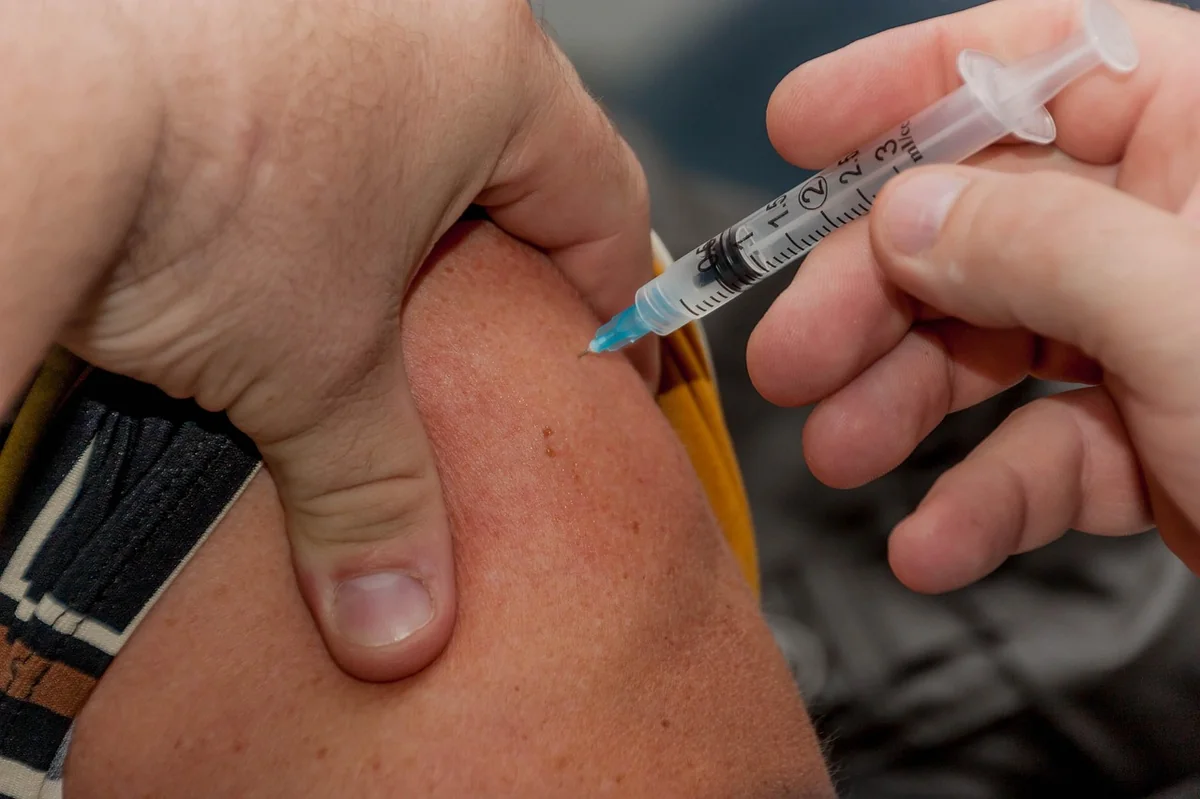
Screening needs vary by age, sex, family history, and individual risk. Common preventive services may include:
– Blood pressure checks
– Cholesterol testing
– Diabetes screening
– Cancer screenings such as colon, breast, cervical, or lung screening when appropriate
– Vaccinations
– Dental and eye exams
These visits create opportunities to talk about symptoms, medication side effects, sleep problems, mood changes, and family history. If a person has risk factors like obesity, smoking, inactivity, or a strong genetic predisposition, earlier or more frequent screening may be advised.
Avoiding tobacco is one of the clearest priorities in they. Smoking and other tobacco use increase the risk of heart disease, stroke, lung disease, and several cancers. There is no safe level of tobacco exposure, and secondhand smoke is harmful as well. Quitting is difficult, but support from counseling, nicotine replacement, and prescription therapies can improve success.
Alcohol deserves attention too. While some people assume moderate drinking is harmless, alcohol can raise blood pressure, disrupt sleep, contribute to weight gain, and increase the risk of certain cancers. For many individuals, cutting back or avoiding alcohol altogether is beneficial.
Environmental and occupational exposures also matter. Air pollution, chemical exposure, unsafe housing, and chronic noise can affect long-term health. When possible, reducing exposure through better ventilation, protective equipment, smoke-free homes, and workplace safety practices adds another layer of protection.
Preventive care works best when people know their numbers. Tracking blood pressure, waist circumference, A1C when relevant, LDL cholesterol, and body weight trends can provide early warning signs. These measurements should not be used for shame. Instead, they are tools to guide action and monitor progress over time.
Building long-term habits for chronic disease prevention
The biggest challenge in chronic disease prevention is not starting but sustaining change. Motivation often fades when goals are vague, routines are inconvenient, or progress seems slow. Long-term success usually comes from simple systems rather than willpower alone. Clear routines, supportive environments, and measurable goals make healthy behavior easier to repeat.

Start with one or two changes at a time. For example, replace sugary drinks with water during the week, or add a 20-minute walk after dinner. Once that habit becomes normal, add another. Layering behaviors gradually is more sustainable than trying to overhaul everything at once.
Home and work environments strongly influence behavior. Keeping fruit visible, preparing lunches in advance, storing fewer processed snacks, and setting calendar reminders for activity can reduce decision fatigue. Social support helps too. Family members, friends, walking groups, health coaches, and online communities can reinforce accountability and make new habits less isolating.
Behavior change strategies that often work well include:
– Set specific goals instead of general intentions
– Track progress with a journal or app
– Plan for obstacles such as travel, stress, or busy weeks
– Focus on consistency, not perfection
– Celebrate small wins that reinforce momentum
For families, shared routines can make prevention easier. Cooking together, limiting sugary beverages at home, creating tech-free bedtimes, and planning active weekends can improve health for everyone. Children who grow up with balanced meals and regular movement are more likely to carry those habits into adulthood.
It is also important to adapt prevention strategies to culture, budget, ability, and schedule. Healthy living should not be framed as all-or-nothing. Frozen vegetables, canned beans, home workouts, short walks, and simple meals can all support chronic disease prevention without requiring expensive programs or specialty foods.
When progress stalls, review the basics. Are you sleeping enough? Is stress affecting food choices? Have portions gradually increased? Are you sitting for most of the day despite exercising a few times a week? Small course corrections often restore momentum. The goal is not flawless behavior. The goal is a lifestyle that consistently lowers risk and supports resilience.
FAQ
What is chronic disease prevention?
Chronic disease prevention refers to the steps people and communities take to reduce the risk of long-term illnesses such as heart disease, type 2 diabetes, cancer, and chronic respiratory conditions. It includes healthy eating, regular exercise, good sleep, stress management, avoiding tobacco, limiting alcohol, and getting routine medical screenings.

Why is chronic disease prevention important for adults?
Chronic disease prevention is important for adults because risk tends to build gradually with age, lifestyle, and environmental exposure. Preventive habits can lower the chance of serious complications, improve daily energy, reduce healthcare costs, and support better mobility and independence over time.
Can chronic disease prevention start later in life?
Yes. Chronic disease prevention can begin at any age. While earlier action is ideal, people can still benefit greatly from quitting smoking, becoming more active, improving diet quality, sleeping better, and managing blood pressure or blood sugar later in life. Positive changes often lead to measurable benefits within weeks or months.
Which foods help the most with chronic disease prevention?
Foods that support chronic disease prevention include vegetables, fruits, legumes, whole grains, nuts, seeds, fish, and other lean proteins. These foods provide fiber, vitamins, minerals, and healthy fats that help regulate cholesterol, blood pressure, body weight, and inflammation.
How much exercise is needed for chronic disease prevention?
For chronic disease prevention, most adults benefit from regular aerobic activity plus muscle-strengthening exercise each week. The exact amount depends on age, fitness, and health status, but even small increases in daily movement can improve long-term health markers and lower risk.
Conclusion
Chronic disease prevention is built on consistent actions that support the body over time. Nutritious food, regular movement, restorative sleep, stress control, preventive care, and avoiding tobacco form the core of a lower-risk lifestyle. These habits do not need to be perfect to be effective. What matters most is repeating them often enough that they become part of normal life.
If you want lasting results, begin with manageable steps and build from there. Track your health numbers, keep preventive appointments, and create routines that fit your real life. With a practical, steady approach, chronic disease prevention becomes less about restriction and more about protecting energy, independence, and well-being for the future.