
Superfoods have become a popular topic in nutrition, wellness, and everyday meal planning. While there is no strict scientific definition for the term, it is commonly used to describe nutrient-dense foods that may offer impressive health benefits when included in a balanced diet. From colorful berries and leafy greens to seeds, fish, and fermented foods, these ingredients are valued for their vitamins, minerals, antioxidants, fiber, and healthy fats.
Table of Contents
- What Are Superfoods and Why Do They Matter?
- Top Superfoods to Add to Your Diet
- 1. Berries
- 2. Leafy Greens
- 3. Fatty Fish
- 4. Nuts and Seeds
- 5. Legumes
- 6. Fermented Foods
- 7. Whole Grains
- 8. Avocados
- 9. Cruciferous Vegetables
- 10. Green Tea
- Health Benefits of Superfoods
- Support for Heart Health
- Better Digestive Function
- Immune System Support
- Reduced Inflammation
- Improved Energy and Fullness
- Brain and Cognitive Support
- Healthy Weight Management
- How to Use Superfoods in Everyday Meals
- Start with Breakfast
- Build Smarter Lunches
- Improve Dinner with Easy Swaps
- Use Snack Time Well
- Keep Frozen and Pantry Options Handy
- Think in Patterns, Not Perfection
- Sample One-Day Meal Idea
- Choosing Superfoods Wisely and Avoiding Common Myths
- Myth 1: One Food Can Fix Everything
- Myth 2: Exotic Means Better
- Myth 3: More Is Always Better
- Myth 4: Supplements Are the Same as Whole Foods
- How to Choose Better Products
- FAQ About Superfoods
- Are Superfoods scientifically proven?
- Can Superfoods help with weight loss?
- What are the best affordable Superfoods?
- Should I eat Superfoods every day?
- Are Superfoods safe for everyone?
- Conclusion
Understanding it is not about chasing trends or relying on a single ingredient to transform your health overnight. Instead, it is about learning how certain whole foods can support energy, digestion, immunity, heart health, and overall well-being. In this guide, you will discover what makes these foods special, explore common examples, learn how to add them to your meals, and find practical answers to common questions about building a healthier lifestyle.
What Are Superfoods and Why Do They Matter?
The word this is widely used in health media, food marketing, and nutrition conversations, yet it can sometimes create confusion. In general, the term refers to foods that are especially rich in nutrients and beneficial compounds. These may include antioxidants, phytonutrients, omega-3 fatty acids, probiotics, vitamins, minerals, and fiber.
What makes these foods matter is not a magical quality, but their strong nutritional profile. For example, blueberries are valued for their antioxidant content, salmon for heart-friendly fats, kale for vitamins A, C, and K, and chia seeds for fiber and plant-based omega-3s. When eaten regularly as part of a balanced eating pattern, such foods may help support long-term wellness.
It is important to note that no single food can prevent disease or replace a healthy lifestyle. Sleep, physical activity, hydration, stress management, and overall diet quality all matter. Still, these can play a helpful role by making it easier to meet nutritional needs with whole, minimally processed ingredients.
These foods are especially useful in modern diets because many people consume too much added sugar, refined carbohydrates, and heavily processed snacks while falling short on fruits, vegetables, legumes, nuts, and seeds. Choosing nutrient-dense options can improve meal quality without requiring extreme dieting or expensive supplements.
Another reason they matter is versatility. You do not need a complicated meal plan to benefit. A bowl of oats with berries and flaxseeds, a salad with spinach and beans, or grilled fish with roasted vegetables can all deliver powerful nutrition. In that sense, they are less about hype and more about practical choices that support consistent healthy habits.
Top Superfoods to Add to Your Diet
There are many foods that fit under the umbrella of nutrient-rich eating, but some stand out because of their broad health benefits and ease of use. The best the concept are often simple, accessible, and adaptable to many cuisines.
1. Berries
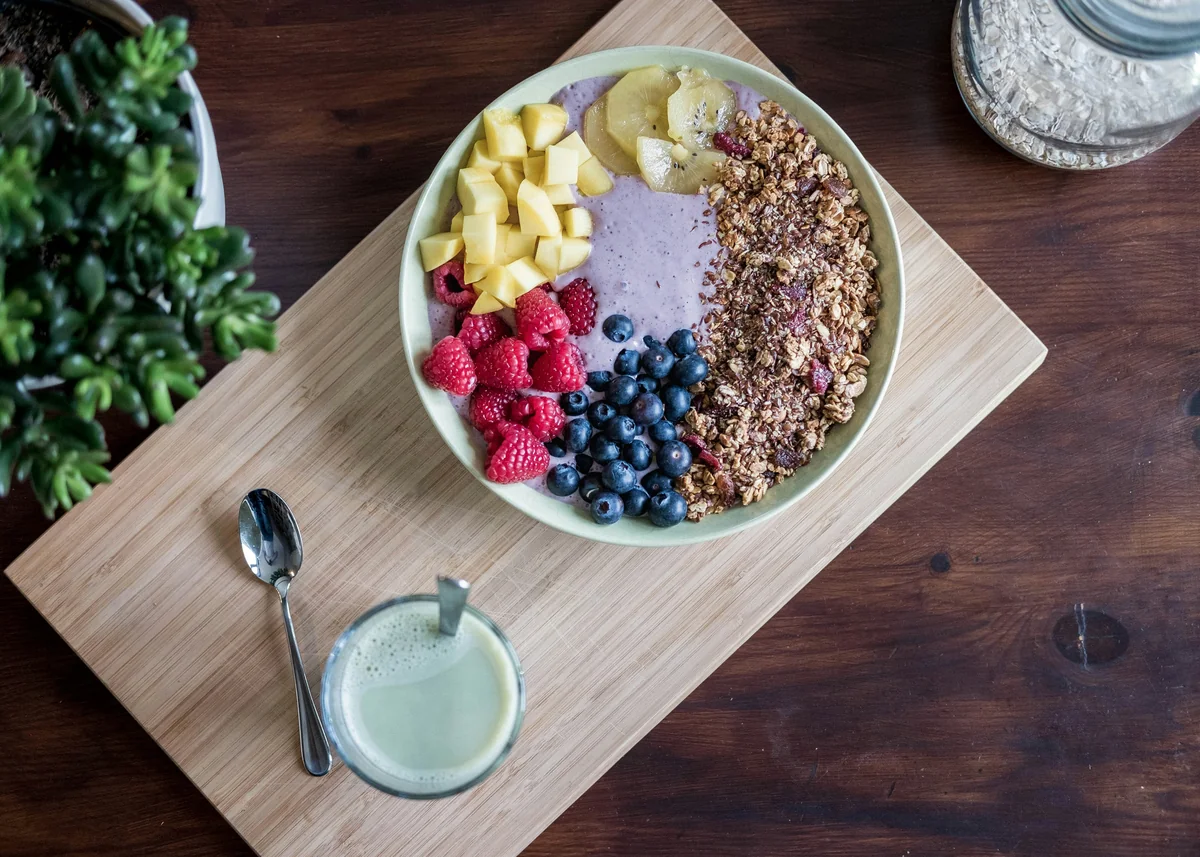
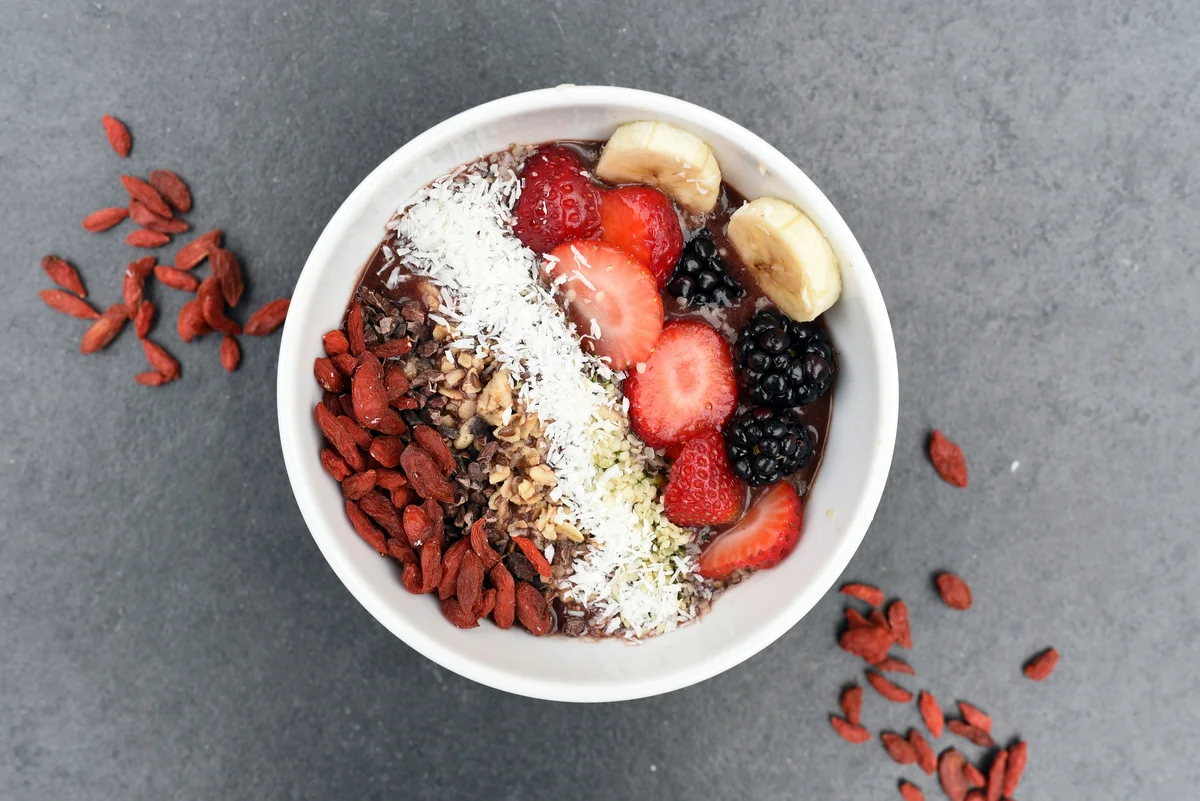
Blueberries, strawberries, raspberries, and blackberries are loaded with antioxidants, vitamin C, and fiber. They may help combat oxidative stress and support heart and brain health. Add them to yogurt, oatmeal, smoothies, or salads.
2. Leafy Greens
Spinach, kale, Swiss chard, and arugula are packed with vitamins, minerals, and plant compounds. They can support eye health, bone health, and immune function. Use them in soups, sautés, salads, and wraps.
3. Fatty Fish
Salmon, sardines, mackerel, and trout provide omega-3 fatty acids and high-quality protein. These nutrients are linked to heart and brain health and may help reduce inflammation. Aim to include fish a couple of times per week if it fits your dietary preferences.
4. Nuts and Seeds
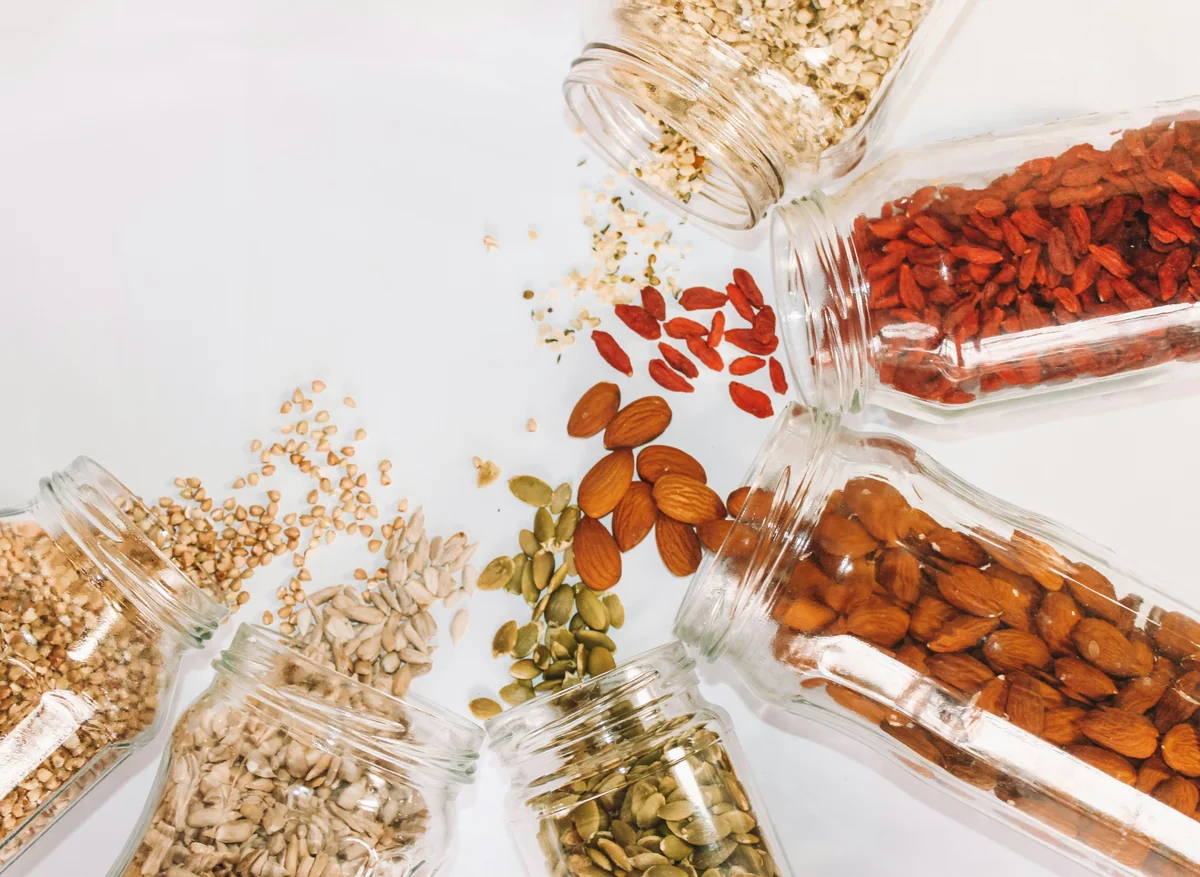
Chia seeds, flaxseeds, walnuts, almonds, and pumpkin seeds offer healthy fats, fiber, protein, and essential minerals. They are convenient additions to breakfast bowls, smoothies, baked goods, and trail mix.
5. Legumes
Beans, lentils, and chickpeas are affordable nutritional powerhouses. They deliver protein, iron, fiber, and slow-digesting carbohydrates that help support stable energy and fullness. Legumes are ideal for soups, curries, grain bowls, and salads.
6. Fermented Foods
Yogurt, kefir, kimchi, sauerkraut, and miso may support gut health because they contain beneficial bacteria or compounds created through fermentation. A healthy gut can influence digestion, immunity, and even mood.
7. Whole Grains
Oats, quinoa, brown rice, and barley are rich in fiber, B vitamins, and minerals. Unlike refined grains, whole grains retain more of their natural nutrients and can help support digestive and metabolic health.
8. Avocados
Avocados contain heart-healthy monounsaturated fats, potassium, and fiber. They add creaminess to meals while delivering important nutrients. Try them in salads, sandwiches, toast, or smoothies.
9. Cruciferous Vegetables
Broccoli, cauliflower, Brussels sprouts, and cabbage contain fiber, vitamin C, and sulfur-containing compounds that may support detoxification pathways and cellular health.
10. Green Tea
Though technically a beverage, green tea is often included in discussions of the approach because of its antioxidant content, especially catechins. It can be a smart alternative to sugary drinks and may complement a healthy lifestyle.
The key is variety. Rather than relying on one food, combine several nutrient-dense ingredients across the week. That approach offers a broader range of nutrients and keeps meals enjoyable.
Health Benefits of Superfoods
One reason it continue to attract attention is their connection to many areas of wellness. While research varies by individual food and nutrient, a diet rich in whole, plant-forward ingredients is consistently associated with better long-term health outcomes.
Support for Heart Health
Many of these foods contain fiber, potassium, antioxidants, and healthy fats. Together, these nutrients may help support healthy cholesterol levels, blood pressure, and circulation. Foods like oats, berries, salmon, walnuts, and legumes are commonly associated with cardiovascular benefits.
Better Digestive Function
Fiber is essential for digestive health, and many nutrient-dense foods are excellent fiber sources. Beans, seeds, vegetables, fruits, and whole grains can help promote regularity, feed beneficial gut bacteria, and improve satiety. Fermented foods may also contribute to gut balance.
Immune System Support
Citrus fruits, berries, garlic, leafy greens, yogurt, and seeds provide vitamins and minerals such as vitamin C, vitamin A, zinc, and selenium. These nutrients are involved in maintaining immune defenses and supporting the body’s natural response systems.
Reduced Inflammation
Chronic inflammation is linked to many health concerns. Foods rich in omega-3 fats, polyphenols, and antioxidants may help support a healthy inflammatory response. This is one reason this like salmon, berries, olive oil, leafy greens, and nuts are often emphasized in healthy eating patterns.
Improved Energy and Fullness
Balanced meals that include protein, healthy fats, and fiber can help stabilize energy and reduce crashes associated with highly processed foods. For example, starting the day with oats, yogurt, berries, and seeds may keep you full longer than a sugary pastry.
Brain and Cognitive Support
Certain foods are associated with cognitive health due to their antioxidant and fat content. Blueberries, walnuts, green leafy vegetables, and fatty fish are often studied for their potential role in supporting memory, focus, and healthy aging.
Healthy Weight Management
Despite the hype, these are not miracle weight-loss products. However, because many are high in fiber and nutrients, they can help people feel satisfied while improving overall diet quality. Replacing ultra-processed snacks with fruit, nuts, yogurt, or hummus can be a practical strategy.
The takeaway is simple: these foods may offer meaningful benefits when eaten regularly, but they work best as part of a broader healthy lifestyle rather than as isolated fixes.
How to Use Superfoods in Everyday Meals
For many people, healthy eating feels difficult because it sounds expensive, time-consuming, or restrictive. The truth is that using they can be practical and realistic when you focus on simple habits instead of perfection.

Start with Breakfast
Breakfast is one of the easiest meals to upgrade. Add berries and flaxseeds to oatmeal, blend spinach into a smoothie, or top plain yogurt with chia seeds and walnuts. Even small additions can improve nutrient intake.
Build Smarter Lunches
A balanced lunch could include leafy greens, beans, quinoa, roasted vegetables, and a simple olive oil dressing. Another option is a whole-grain wrap with hummus, avocado, shredded carrots, and greens. These combinations offer fiber, healthy fats, and plant-based protein.
Improve Dinner with Easy Swaps
Choose brown rice instead of white rice, add steamed broccoli to pasta dishes, or serve salmon with roasted sweet potatoes and a side salad. These changes are manageable and can significantly improve meal quality over time.
Use Snack Time Well
Snacks are often where processed foods take over. Replace chips or candy with apple slices and almond butter, Greek yogurt with berries, or a handful of mixed nuts. These choices can help bridge meals without a sugar crash.
Keep Frozen and Pantry Options Handy
Not every nutritious meal needs fresh, premium ingredients. Frozen berries, frozen spinach, canned beans, oats, brown rice, peanut butter, and canned salmon are all useful staples. Affordable the concept can still deliver strong nutritional value.
Think in Patterns, Not Perfection
You do not need every meal to be ideal. Instead, aim to include a fruit or vegetable at each meal, choose whole grains more often, and rotate beans, seeds, fish, and greens throughout the week. Consistency matters more than complexity.
Sample One-Day Meal Idea
Here is a simple day built around whole, nutrient-rich foods:
– Breakfast: Oatmeal with blueberries, chia seeds, and cinnamon
– Lunch: Quinoa bowl with chickpeas, spinach, cucumber, tomatoes, and olive oil
– Snack: Plain yogurt with raspberries and walnuts
– Dinner: Baked salmon, roasted broccoli, and sweet potato
– Drink: Water, herbal tea, or green tea
This style of eating shows that the approach do not need to be rare or exotic. Many are already available in local grocery stores and fit naturally into familiar meals.
Choosing Superfoods Wisely and Avoiding Common Myths
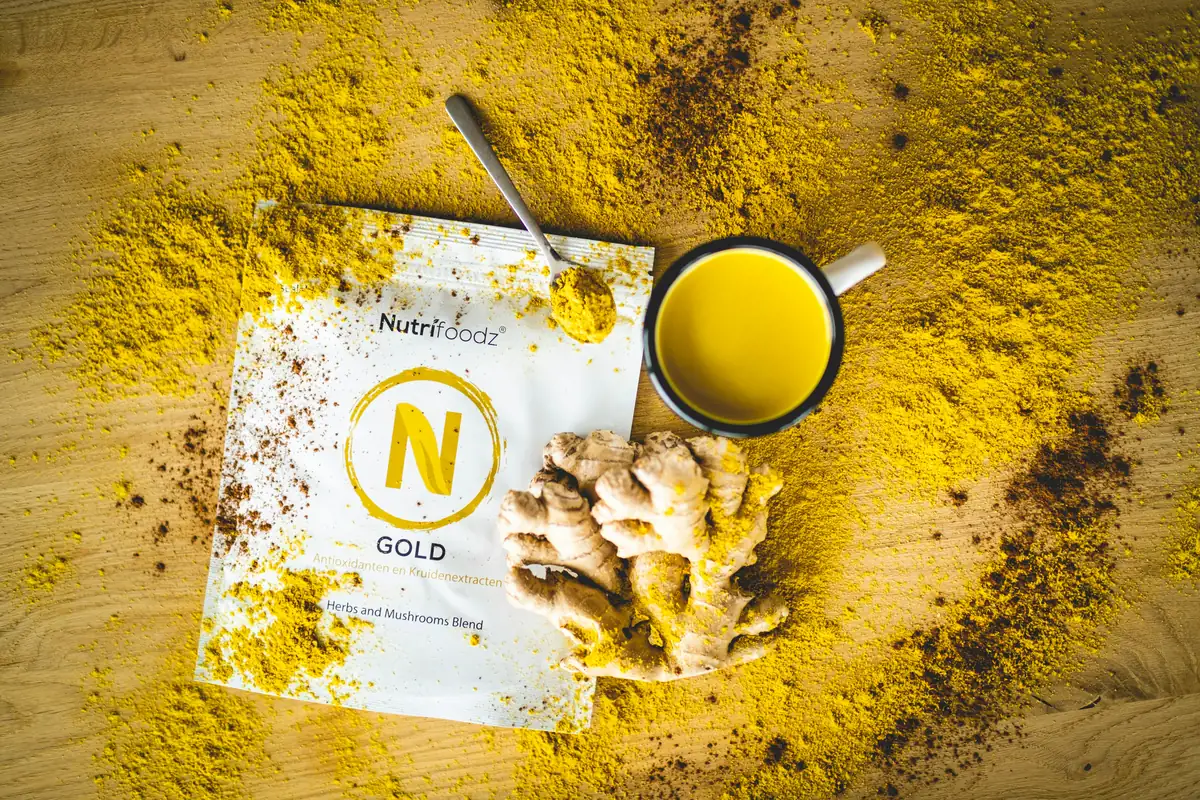
As interest in nutrition grows, so does marketing. That is why it is important to approach it with both enthusiasm and critical thinking. Some products deserve attention, while others are simply ordinary foods sold at premium prices.
Myth 1: One Food Can Fix Everything
No single ingredient can offset poor sleep, chronic stress, inactivity, or an unbalanced diet. Health is built from patterns. Even the most nutritious food cannot function like a cure-all.
Myth 2: Exotic Means Better
Some imported powders and berries are nutritious, but so are local foods like cabbage, oats, apples, lentils, and carrots. You do not have to buy expensive trend-driven items to eat well. Often, the most effective choices are affordable staples.
Myth 3: More Is Always Better
Portion balance still matters. Nuts, seeds, oils, and avocados are nutrient-dense, but they are also calorie-dense. A balanced approach helps you gain the benefits without overdoing any one food.
Myth 4: Supplements Are the Same as Whole Foods
Supplements may be useful in some cases, but they do not fully replicate the matrix of fiber, water, and compounds found in whole foods. Whenever possible, get nutrients from meals first and use supplements only when appropriate.
How to Choose Better Products
When shopping, consider these simple guidelines:
– Prioritize whole or minimally processed foods
– Read ingredient lists carefully
– Watch for added sugars in flavored yogurts, granola, and juice blends
– Compare cost per serving, not just package branding
– Choose seasonal produce when possible
– Buy frozen produce for convenience and value
The smartest way to approach this is to think beyond labels and focus on overall nutritional quality. If a food is rich in beneficial nutrients, fits your budget, and works in your routine, it can be a valuable part of your diet.
FAQ About Superfoods
Are Superfoods scientifically proven?
The term itself is more of a marketing label than a formal scientific category. However, many foods commonly described as these are backed by research showing that they are rich in nutrients and may support heart health, digestion, immunity, and overall wellness when included in a balanced diet.

Can Superfoods help with weight loss?
Superfoods are not magic weight-loss foods, but they can support healthy weight management. Many are high in fiber, protein, or healthy fats, which may improve fullness and reduce reliance on highly processed snacks.
What are the best affordable Superfoods?
Some of the most budget-friendly options include oats, beans, lentils, eggs, frozen berries, cabbage, spinach, yogurt, canned fish, and sweet potatoes. Affordable Superfoods can be just as useful as expensive trending products.
Should I eat Superfoods every day?
Including nutrient-dense foods daily is a smart goal, but variety is important. Instead of eating the exact same items every day, rotate fruits, vegetables, legumes, grains, nuts, seeds, and protein sources to get a wider nutrient range.
Are Superfoods safe for everyone?
Most whole foods commonly called Superfoods are safe for most people, but individual needs vary. Allergies, medical conditions, digestive sensitivities, and medication interactions should be considered. If you have specific concerns, consult a healthcare professional or registered dietitian.
Conclusion
Superfoods are best understood as nutrient-dense whole foods that can strengthen a healthy eating pattern rather than as miracle cures. Berries, leafy greens, legumes, fish, seeds, fermented foods, and whole grains all offer meaningful nutritional benefits that may support heart health, digestion, immunity, energy, and long-term wellness.
The most effective approach is simple: focus on variety, choose minimally processed foods, and build balanced meals you can maintain consistently. You do not need expensive powders or dramatic diet rules to eat well. By using Superfoods in everyday breakfasts, lunches, dinners, and snacks, you can create a practical, sustainable routine that supports better health over time.